
Telehealth has moved from pandemic-era convenience to a core pillar of modern care delivery. Explore the trends, benefits, barriers, and future outlook shaping virtual care in 2026.
Over the past few years, telehealth has evolved from a pandemic necessity into a pillar of modern care delivery. From virtual consultations and digital triage to chronic disease management and remote monitoring, telehealth has changed how patients and providers connect.
As we move into 2026, telehealth is no longer just about convenience. It is about equity, access, innovation, and smarter care delivery. With new technologies, regulatory frameworks, and patient expectations shaping virtual care, understanding the latest trends and challenges is essential for every healthcare leader.
Key Takeaways
- Telehealth is now a core pillar of modern care delivery.
- AI, RPM, and hybrid care are shaping virtual care in 2026.
- Privacy, reimbursement, and access remain major barriers.
What is Telehealth and How It Works
Telehealth refers to the use of digital communication and information technologies such as video calls, mobile apps, and remote monitoring devices to provide clinical services and healthcare support.
While telemedicine focuses primarily on clinical consultations, telehealth is broader. It includes patient education, health administration, remote diagnostics, care navigation, and digital patient engagement.
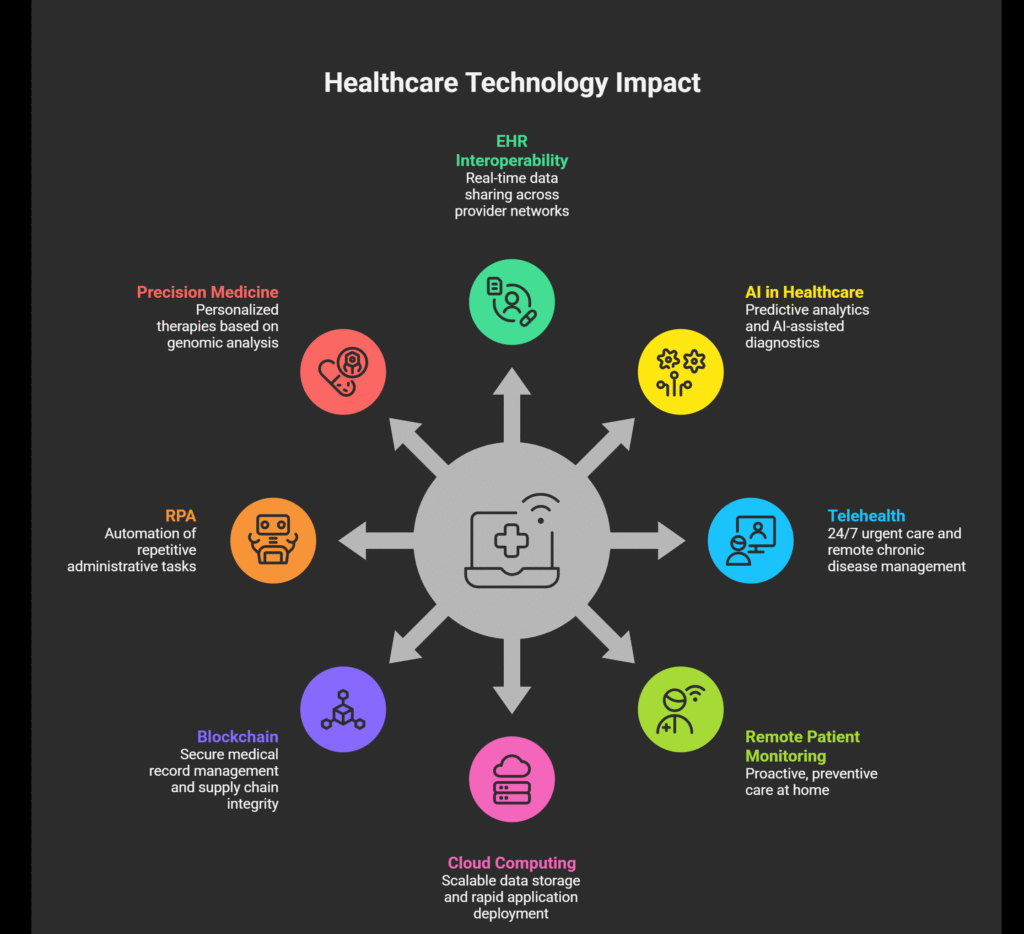
Today, most telehealth platforms integrate directly with Electronic Health Records, allowing clinicians to access real-time patient data and streamline documentation. This interoperability is what makes telehealth sustainable and scalable for the future.
Key Trends Shaping Telehealth in 2026
1. Hybrid Care Models Becoming the New Normal
The future of telehealth lies in hybrid care, a seamless blend of in-person and virtual visits. Patients prefer flexibility, and providers are adopting systems that allow patients to start their care journey online and continue it offline.
2. AI and Predictive Analytics Enhancing Virtual Care
Artificial Intelligence is becoming a core driver of telehealth efficiency. From automated triage and symptom checking to predictive analytics for chronic disease management, AI helps clinicians make faster, more informed decisions.
3. Expansion of Mental Health and Behavioral Telemedicine
Mental health continues to be one of the fastest-growing telehealth sectors. Health systems are extending behavioral care into rural areas through tele-psychiatry, virtual therapy, and app-based support.
4. Wearables and Remote Patient Monitoring Growth
Smartwatches and connected devices are enabling continuous, real-time health tracking. Remote Patient Monitoring helps clinicians manage patients with conditions such as diabetes, hypertension, and heart disease without requiring frequent hospital visits.
5. Interoperability and Data Standardization Improvements
Data silos have long limited healthcare progress. Initiatives like FHIR and HL7 standards are driving consistent data exchange between telehealth and EHR systems.
6. Value-Based Telehealth and Reimbursement Models
Telehealth is transitioning from a fee-for-service model to a value-based care model. CMS and private payers are introducing flexible reimbursement pathways that reward outcomes instead of volume.
Major Benefits of Telehealth for Patients and Providers
| Benefit | What It Means | Healthcare Impact |
|---|---|---|
| Improved Access | Patients in remote or underserved regions can connect with providers virtually. | Better specialist access and fewer care delays. |
| Cost Efficiency | Virtual visits and follow-ups can lower avoidable care costs. | Reduced readmissions and improved operational efficiency. |
| Continuity of Care | Patients can access follow-ups, refills, and monitoring more easily. | Higher adherence and better patient satisfaction. |
| Chronic Care Management | RPM and virtual coaching help track diabetes, COPD, heart failure, and hypertension. | Earlier intervention and more proactive care planning. |
| Patient Engagement | Apps, reminders, and AI chatbots help patients manage their health. | Stronger patient-provider relationships and long-term outcomes. |
Key Challenges and Barriers to Telehealth Adoption
- Data security and patient privacy: Telehealth platforms must comply with HIPAA standards and protect sensitive health data.
- Reimbursement and policy inconsistency: Coverage, billing codes, and parity laws vary across states and plans.
- Technology access gaps: Low-income, elderly, and rural populations may face limited access to devices or high-speed internet.
- Licensing and cross-state regulations: Providers often face complexity when delivering care across state lines.
- Clinical limitations: Telehealth works well for follow-ups and behavioral care, but not every clinical situation can be managed virtually.
The Future of Telehealth Beyond 2026
The next generation of telehealth will focus on personalization, interoperability, and predictive care. Integration with AI, Internet of Things, and digital therapeutics will enable continuous health management that goes far beyond traditional visits.
Imagine a healthcare system where a smartwatch alerts a provider to early heart irregularities, or an AI dashboard predicts a potential relapse before symptoms appear. That is the direction telehealth is heading.
Final Thoughts: Building a Sustainable Telehealth Ecosystem
Telehealth has moved beyond being a temporary solution. It is now a core pillar of healthcare transformation. To ensure sustainability, healthcare leaders must strengthen privacy, push for clearer reimbursement frameworks, invest in clinician training, and expand digital literacy among patients.
What are the key trends in telehealth for 2026?
Key telehealth trends for 2026 include hybrid care models, AI-driven diagnostics, expansion of mental health telemedicine, remote patient monitoring, and improved interoperability.
What are the main benefits of telehealth?
Telehealth improves access to care, reduces costs, enhances chronic care management, and increases patient engagement through digital tools.
What challenges does telehealth face in 2026?
Major challenges include data security concerns, reimbursement issues, technology access gaps, clinical limitations, and cross-state licensing barriers.
How will telehealth evolve beyond 2026?
Beyond 2026, telehealth will integrate more AI, IoT, remote monitoring, and digital therapeutics to deliver more personalized and data-driven care.