Medicare Secondary Payer (MSP): What U.S. Healthcare Leaders Need to Know

Medicare Secondary Payer (MSP).

Medicare Secondary Payer rules determine when Medicare becomes the second payer for beneficiaries with other insurance coverage. For U.S. healthcare executives, MSP compliance represents a complex operational challenge with direct financial implications, heightened enforcement risk, and evolving regulatory requirements that demand systematic attention.

What is Medicare Secondary Payer?

Medicare Secondary Payer refers to situations where the Medicare program does not hold primary payment responsibility. When another entity—a group health plan, liability insurer, no-fault insurer, or workers’ compensation program has the obligation to pay first, Medicare becomes the secondary payer.

Enacted in 1980, MSP legislation shifted costs from Medicare to appropriate private payment sources. Before MSP, Medicare paid first for nearly all claims except those covered by Workers’ Compensation, Federal Black Lung benefits, and Veterans Administration benefits. Today, MSP provisions protect the Medicare Trust Fund by ensuring Medicare does not pay for services when other coverage is primarily responsible.

The distinction is operational, not theoretical. Providers must identify primary payers, bill them first, and only submit claims to Medicare after receiving the primary payer’s adjudication. Federal law takes precedence over state laws and private contracts. Even when state law or an insurance policy suggests Medicare should pay first, MSP provisions apply.

Why Medicare Secondary Payer Matters Now

1. Financial Impact on Medicare Trust Fund

MSP savings are substantial. According to the Department of Health and Human Services, MSP laws and regulations reduced Medicare spending by approximately $9.7 billion in fiscal year 2021. These provisions are not peripheral—they are vital to Medicare’s fiscal integrity.

The 2024 Medicare Board of Trustees’ report projects that total Part A spending will exceed incoming revenues by 2030. By 2036, insufficient funds will exist to pay full benefits. MSP recovery and coordination efforts directly address this solvency challenge.

2. Increased CMS Enforcement in 2025

CMS formalized civil money penalty (CMP) authority in October 2023. Penalties became enforceable in October 2024. CMS now randomly audits 250 submissions each calendar quarter, imposing penalties of $1,000 per day for untimely reporting.

This represents a fundamental shift. What was once primarily a compliance obligation with limited enforcement has become an area where CMS actively monitors, audits, and penalizes non-compliance. Responsible Reporting Entities (RREs)—including insurance carriers, self-insureds, and third-party administrators—face real financial exposure for reporting failures.

3. New Reporting Requirements Taking Effect

April 4, 2025 marked a watershed moment for workers’ compensation settlements. CMS now mandates Section 111 reporting of Workers’ Compensation Medicare Set-Aside Arrangement (WCMSA) data for all settlements involving Medicare beneficiaries, including those with zero-dollar allocations and settlements below the $25,000 CMS review threshold.

This gives CMS unprecedented visibility into settlement practices. The agency now knows whether future medical allocations were included in low-dollar settlements and when no WCMSA was established. This data enables enhanced coordination of benefits and identifies potential compliance gaps.

How Medicare Secondary Payer Works

Medicare remains the primary payer for beneficiaries without other health insurance coverage. However, specific situations trigger secondary payer status:

Medicare pays primary when:

  • The beneficiary has no other insurance
  • The beneficiary has only Medicare Supplement (Medigap) insurance
  • The group health plan covering the beneficiary is from a small employer (fewer than 20 employees for working aged; fewer than 100 employees for disabled beneficiaries)
  • The 30-month coordination period for ESRD has ended and other coverage remains through employment

Medicare pays secondary when:

  • A beneficiary age 65 or older has group health plan coverage through current employment (their own or a spouse’s) with an employer of 20 or more employees
  • A disabled beneficiary under 65 has group health plan coverage through current employment (their own or a family member’s) with an employer of 100 or more employees
  • A beneficiary has ESRD and group health plan coverage during the first 30 months of Medicare eligibility
  • Payment has been made or can reasonably be expected from liability insurance, no-fault insurance, or workers’ compensation

The Five Main MSP Categories

1. Working Aged: Beneficiaries age 65 or older covered by a group health plan through current employment where the employer has 20 or more employees.

2. Disability: Beneficiaries entitled to Medicare based on disability who are covered under a group health plan through current employment where the employer has 100 or more employees.

3. End-Stage Renal Disease (ESRD): Beneficiaries with ESRD who have group health plan coverage during the 30-month coordination period following Medicare eligibility.

4. Liability Insurance (including self-insurance): Coverage that may be responsible for payment when a beneficiary’s medical condition results from an accident or alleged negligence of another party.

5. No-Fault Insurance and Workers’ Compensation: Coverage for medical expenses resulting from automobile accidents (no-fault) or work-related injuries or illnesses (workers’ compensation).

The Role of the Benefits Coordination & Recovery Center (BCRC)

The BCRC administers coordination of benefits for Medicare by maintaining the Common Working File (CWF), a CMS database that stores MSP data and investigation information. The BCRC collects data from multiple sources including IRS/SSA/CMS data matches, voluntary data sharing agreements with large employers, and mandatory Section 111 reporting from insurers.

When the BCRC identifies that another payer should be primary to Medicare, it posts an MSP occurrence to Medicare’s records. This information flows to Medicare Administrative Contractors (MACs) who use it to process claims correctly.

The BCRC also manages conditional payment recovery for non-group health plan situations. When Medicare pays conditionally for services that should have been covered by liability, no-fault, or workers’ compensation insurance, the BCRC seeks reimbursement after settlement, judgment, or award.

MSP Impact on Healthcare Operations

1. Cost Implications for Providers

MSP compliance affects the bottom line in several ways. First, claims submitted incorrectly as primary when Medicare should be secondary will be denied, creating rework and delaying payment. Clean claim rates drop when MSP information is missing or inaccurate.

Second, Medicare’s secondary payment amount is calculated based on the primary payer’s allowed amount and payment. If a provider has a favorable contract with the primary payer, Medicare’s secondary payment may be minimal. Understanding this calculation is essential for accurate revenue forecasting.

Third, conditional payments create recovery obligations. If Medicare pays conditionally and later determines another payer was responsible, Medicare seeks reimbursement. Providers who received the conditional payment may face recovery demands if they also collected from the primary payer.

2. Claims Processing and Revenue Cycle Effects

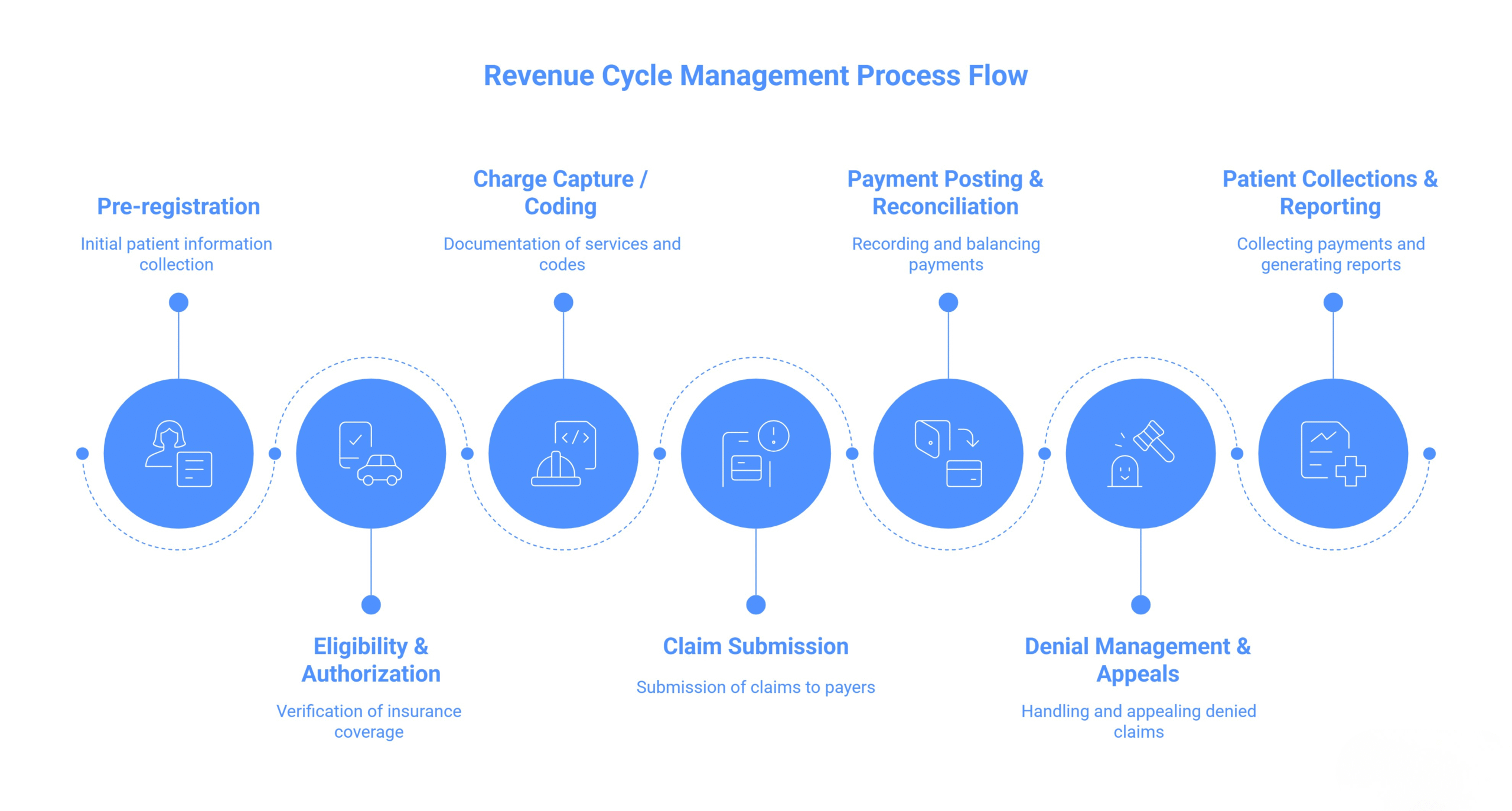
MSP adds complexity to every stage of the revenue cycle. Registration staff must collect comprehensive insurance information. Billing staff must verify which payer is primary before submitting claims. Claims must include specific MSP-related codes, condition codes, occurrence codes, and value codes to process correctly.

When Medicare is secondary, claims cannot be submitted until the primary payer has adjudicated the claim. The Explanation of Benefits (EOB) from the primary payer must accompany the Medicare claim. This sequential billing extends days in accounts receivable.

Electronic claims require proper loop and segment population for MSP information. Paper claims require specific form completion. Common billing errors include claims that don’t balance (when adjustment amounts don’t equal the total charge), missing value codes for auto/no-fault/workers’ compensation situations, and incorrect payer sequencing.

3. Compliance Requirements and Documentation Burden

Providers must make good faith efforts to determine whether Medicare is the primary or secondary payer. This requires asking beneficiaries specific questions about their insurance coverage during intake, admission, and at regular intervals for recurring services.

Documentation requirements are extensive. Providers must:

  • Ask MSP-related questions at each hospital admission and outpatient visit
  • Verify MSP information every 90 days for recurring outpatient services
  • Maintain records of insurance information collected
  • Keep documentation showing they asked the required questions, even when the beneficiary states nothing has changed
  • Retain records for at least three years after the service date

For workers’ compensation situations, providers must inquire whether the beneficiary is taking legal action and bill workers’ compensation first even when the claim is disputed, unless workers’ compensation will not pay promptly.

Common MSP Mistakes Healthcare Providers Make

1. Failing to Verify Insurance at Each Encounter

The most frequent MSP error is inadequate insurance verification. Many providers collect insurance information once and never update it. Employment status changes. Spouses retire. COBRA coverage ends. Each change potentially affects MSP status.

CMS requires verification at specific intervals:

  • Each inpatient hospital admission
  • Each hospital outpatient visit
  • Every 90 days for recurring outpatient services

Providers often misunderstand “recurring services.” These are identical services and treatments received on an outpatient basis more than once within a billing cycle. For such services, MSP information must be no older than 90 days from the service date.

2. Incomplete or Incorrect Claim Coding

MSP claims require specific coding elements. Missing or incorrect codes trigger denials. Common coding errors include:

Missing payer codes: Payer codes identify insurance coverage type. Each coverage category requires a specific payer code driven by the value codes reported on the claim.

Incorrect value codes: Value code 44 (other than accident-related) indicates the amount the provider agreed to accept from the primary payer as payment in full. Medicare uses this amount in its secondary payment calculation. Omitting VC 44 when applicable or using it incorrectly affects payment.

Missing Claim Adjustment Reason Codes (CARC): These codes explain why the primary payer’s paid amount differs from the billed amount. CMS requires CARC codes for all adjustments made by the primary payer.

Claims that don’t balance: MSP claims reject when primary claim adjustment amounts in the CAS segment plus the amount paid by the primary in the AMT segment don’t equal the total charge.

3. Not Understanding Conditional Payment Recovery

Many providers believe that once Medicare pays a claim, the transaction is complete. This is not true for MSP situations involving liability, no-fault, or workers’ compensation.

When Medicare makes a conditional payment—paying for services another payer may be responsible for—Medicare retains recovery rights. The payment is “conditional” because it must be repaid when a beneficiary receives a settlement, judgment, award, or other payment.

Providers sometimes collect from both Medicare (conditional payment) and the primary payer. Medicare then seeks recovery of the conditional payment. Understanding this recovery process is essential to avoid duplicate payments and subsequent recovery demands.

4. Missing the 90-Day Verification Window for Recurring Services

The 90-day verification requirement for recurring outpatient services is widely misunderstood. Providers often verify insurance at the start of a treatment series and assume this suffices for months of ongoing care.

When audited, CMS expects documentation showing MSP information was verified within 90 days of each service date for recurring services. “Verified” means asking the questions, not just confirming that insurance information looks the same in the system.

Providers should implement systematic prompts in their registration systems to trigger re-verification at appropriate intervals. Documentation should explicitly note that MSP questions were asked and record the beneficiary’s responses or statement that nothing has changed.

Group Health Plans vs. Non-Group Health Plans: Understanding the Difference

1. GHP Rules for Working Aged and ESRD Patients

Group Health Plans operate under specific size thresholds. For working aged beneficiaries (65 or older), the employer must have 20 or more employees for the GHP to be primary. For disabled beneficiaries under 65, the employer must have 100 or more employees.

These thresholds apply per employer, not per plan. All common law employees count, including part-time employees, regardless of whether they’re enrolled in the GHP. Separate legal entities under common ownership may be aggregated when determining size.

ESRD presents unique rules. During the first 30 months of Medicare eligibility based on ESRD, group health plan coverage through current employment remains primary. After 30 months, Medicare becomes primary. This is called the “30-month coordination period.”

If the beneficiary has ESRD and also qualifies for Medicare based on age or disability, separate rules apply depending on which entitlement came first. Providers should consult CMS guidance for these dual entitlement scenarios.

2. NGHP Coverage: Liability, No-Fault, and Workers’ Compensation

Non-Group Health Plans include liability insurance (including self-insurance), no-fault insurance, and workers’ compensation. These coverages typically arise from unexpected incidents: car accidents, work-related injuries, or injuries caused by another party’s negligence.

When an NGHP situation exists, Medicare will not pay for injury-related care if payment has been made or can reasonably be expected from the NGHP. If the NGHP insurer will not pay promptly—or if responsibility is disputed—Medicare may make conditional payments to ensure the beneficiary has access to care.

Providers must bill the NGHP first. Only after receiving the NGHP’s denial or if the NGHP will not pay promptly may the provider submit a conditional payment request to Medicare. This requires specific documentation explaining why the primary payer did not pay.

MSP Conditional Payments and Recovery Process

A conditional payment is a payment Medicare makes for services another payer may be responsible for. Medicare makes conditional payments so beneficiaries do not have to use their own money to pay medical bills while determining liability or waiting for settlements.

The payment is “conditional” because it must be repaid to Medicare when a settlement, judgment, award, or other payment is made. Medicare’s recovery rights are established by federal statute (42 U.S.C. § 1395y(b)) and override state laws and private contracts.

Conditional payments most commonly occur in liability, no-fault, and workers’ compensation situations. When a beneficiary is injured in a car accident or at work, medical care begins immediately. Determining who will ultimately pay may take months or years while liability is investigated and claims are negotiated. Medicare pays conditionally to ensure the beneficiary receives necessary care.

A. How the Recovery Process Works

The conditional payment recovery process follows several stages:

1. Reporting the case: When a liability, no-fault, or workers’ compensation case exists, it must be reported to the BCRC. This can be done by the beneficiary, their attorney, the insurer, or a provider aware of the situation. Reporting triggers the BCRC’s investigation.

2. BCRC investigation: The BCRC collects information from multiple sources including claims processors, Section 111 mandatory insurer reporting, and workers’ compensation entities. The BCRC identifies any conditional payments Medicare made that relate to the injury or illness.

3. Conditional Payment Letter (CPL) or Conditional Payment Notice (CPN): The BCRC sends a letter listing the conditional payments Medicare made and their total amount. This letter provides 30 calendar days to respond.

4. Dispute process: If the beneficiary or their representative believes certain claims should not be included, they must submit documentation supporting that position. The BCRC reviews disputes and adjusts the conditional payment amount if it agrees the claims are unrelated. This review takes up to 45 days.

5. Final demand: Once disputes are resolved and a settlement occurs, the BCRC issues a final demand letter specifying the repayment amount. This amount must be paid from the settlement proceeds.

6. Payment: Payment can be made via pay.gov using ACH, debit card, or PayPal. Failure to repay Medicare’s conditional payments can result in the debt being referred to the Department of Treasury for collection.

B. Using the Medicare Secondary Payer Recovery Portal (MSPRP)

The MSPRP is a web-based tool that allows attorneys, insurers, beneficiaries, and recovery agents to manage MSP recovery cases online. The portal provides several capabilities:

  • Viewing conditional payment amounts in real time
  • Submitting proof of representation and consent to release documentation
  • Initiating demand letters earlier than the default 30-day period
  • Disputing individual claims included in the conditional payment amount
  • Requesting access to unmasked claims data
  • Making electronic payments
  • Tracking correspondence and case status

Registration is required before accessing the MSPRP. Users must complete identity proofing and multi-factor authentication to request access to unmasked claims data.

The MSPRP significantly accelerates the resolution process. Before the portal, everything occurred via mail and fax with extensive delays. The portal allows real-time updates and substantially reduces resolution timelines.

C. Timeline and Appeal Rights

The recovery process has defined timelines. After receiving a conditional payment letter or notice, parties have 30 days to respond. If no response is received, the BCRC may issue a demand letter.

After a demand letter is issued, beneficiaries have appeal rights. The first level of appeal is a redetermination. Redetermination requests must be filed within 120 days of receiving the demand letter. The redetermination officer reviews the case and issues a decision.

If the redetermination is unfavorable, subsequent appeal levels include reconsideration by a Qualified Independent Contractor (QIC), Administrative Law Judge hearing, Medicare Appeals Council review, and judicial review in federal district court.

Waivers of recovery are available in limited circumstances. Beneficiaries may request a waiver if recovering the conditional payment would cause financial hardship or if they were not at fault in creating the overpayment situation. Waiver requests cannot be processed until after a recovery demand letter is issued.

Old Way vs. Modern Approach to MSP Compliance

Old Way:

  • Passive insurance verification at admission only
  • Manual paper-based claims submission with minimal MSP coding
  • Reactive response to Medicare denials and recovery demands
  • Limited understanding of conditional payment obligations
  • Minimal technology support beyond basic claims systems
  • Siloed compliance efforts without cross-functional coordination
  • Treating MSP as a billing issue rather than an enterprise risk

Modern Approach:

  • Systematic verification at every encounter with automated prompts
  • Electronic claims with comprehensive MSP data elements and validation edits
  • Proactive identification of MSP situations before claims submission
  • Clear recovery process workflows with designated staff responsibilities
  • Integrated technology platforms connecting eligibility, claims, and compliance functions
  • Cross-functional compliance teams involving revenue cycle, compliance, legal, and clinical leadership
  • Enterprise risk management framework treating MSP as a financial and regulatory exposure requiring board-level attention

The modern approach recognizes that MSP compliance cannot be relegated to billing staff. It requires organizational commitment, technology investment, and systematic processes spanning registration through final payment resolution.

Leading organizations implement real-time eligibility checking that queries CMS systems to identify MSP indicators before services are rendered. They use automated claim scrubbing that validates MSP coding requirements before submission. They establish dedicated conditional payment coordinators who manage recovery cases and interface with the BCRC.

Most importantly, they treat MSP compliance as a strategic priority rather than an operational nuisance. Executive dashboards track MSP-related denials, recovery demands, and compliance metrics. Compliance committees review MSP performance quarterly. Leadership allocates resources to technology and training that prevent errors upstream rather than fixing them downstream.

The Next 12-36 Months: What Healthcare Leaders Should Expect

1. Enhanced CMS Monitoring and Auditing

CMS’s enforcement posture will continue strengthening. The civil money penalty framework established in 2023-2024 represents the beginning of enhanced enforcement, not its conclusion.

Expect expanded audit activity. CMS currently audits 250 quarterly submissions (1,000 annually). This may increase as CMS gains confidence in its audit processes and as agency resources grow.

Expect data analytics to drive audit selection. CMS now has unprecedented data through Section 111 reporting, including WCMSA information. The agency will identify statistical outliers—RREs with unusual reporting patterns, late submissions, or zero-dollar MSAs in circumstances suggesting underfunding. These outliers will receive closer scrutiny.

Expect False Claims Act activity to increase. The Department of Justice has shown interest in MSP non-compliance as a potential False Claims Act theory. Failure to properly identify and bill primary payers before Medicare may constitute false claims. Qui tam relators (whistleblowers) are increasingly focusing on MSP-related issues.

Healthcare leaders should prepare for this enhanced environment by establishing robust compliance programs, conducting internal audits to identify gaps, and remediating issues proactively before they become enforcement targets.

2. Technology Solutions Gaining Traction

Technology vendors are developing increasingly sophisticated MSP compliance solutions. These tools integrate with core systems to provide:

Real-time eligibility verification: Automated queries to CMS Coordination of Benefits databases during registration, surfacing MSP indicators immediately so registration staff can collect proper insurance information.

Rules-based claim validation: Pre-submission validation that checks claims for required MSP data elements, verifies coding logic, and flags potential errors before claims leave the organization.

Predictive analytics: Machine learning models that identify high-risk claims likely to generate MSP-related denials based on historical patterns.

Workflow automation: Automated routing of MSP-related tasks to appropriate staff, deadline tracking for conditional payment responses, and systematic follow-up on pending issues.

Reporting and analytics: Dashboards providing visibility into MSP denial rates, recovery demand volumes, compliance metrics, and financial impact.

Organizations should evaluate these solutions based on integration capabilities with existing systems, vendor expertise in MSP compliance, implementation support, and total cost of ownership. The right technology can significantly reduce manual effort while improving accuracy and compliance.

3. Policy Evolution and Regulatory Clarity

CMS will likely continue refining MSP guidance. The WCMSA Reference Guide has undergone multiple revisions in 2025 alone. The Section 111 User Guide updates regularly. This pattern will persist as CMS responds to industry feedback and emerging compliance issues.

Legislative activity may occur. Congressional interest in Medicare solvency creates potential for MSP-related legislation. Possible areas include:

  • Standardization of WCMSA thresholds and processes
  • Expansion of mandatory reporting beyond current requirements
  • Enhanced CMS audit authority and penalties
  • Private right of action provisions allowing Medicare beneficiaries to sue for MSP violations

Healthcare leaders should monitor regulatory developments through industry associations, CMS updates, and legal counsel. Participating in comment periods when CMS proposes rule changes allows organizations to shape policy and prepare for implementation.

The trajectory is clear: MSP compliance requirements will become more detailed, enforcement will intensify, and technology will play an increasingly central role. Organizations that prepare now will manage this transition more effectively than those waiting for problems to emerge.

Practical Takeaways for U.S. Healthcare Leaders

1. Treat MSP as an enterprise risk, not a billing issue. MSP compliance requires executive attention, cross-functional coordination, and board-level oversight. Financial exposure from penalties, recovery demands, and denied claims can be substantial.

2. Implement systematic verification processes at every encounter. One-time insurance collection at admission is insufficient. Build verification prompts into registration workflows at each service date and every 90 days for recurring services. Document that questions were asked and record responses.

3. Invest in technology that prevents errors upstream. Real-time eligibility checking, automated claim validation, and workflow management tools reduce manual effort while improving accuracy. The ROI from reduced denials and faster payment typically justifies technology investments.

4. Establish clear accountability for conditional payment management. Designate specific staff responsible for monitoring conditional payment notifications, responding to BCRC inquiries, managing disputes, and coordinating with legal counsel when necessary. These responsibilities cannot be “additional duties as assigned” for already-overloaded billing staff.

5. Conduct regular internal audits of MSP compliance. Review claims data to identify MSP-related denials, analyze root causes, and implement corrective actions. Audit documentation of insurance verification to ensure processes are being followed. Identify training needs and address gaps proactively.

6. Develop relationships with specialized MSP counsel. Complex MSP situations—particularly involving conditional payments, WCMSAs, and Section 111 reporting—require specialized legal expertise. Establish relationships with attorneys experienced in MSP compliance before problems arise.

7. Monitor regulatory developments and participate in policy discussions. CMS guidance evolves continuously. Subscribe to CMS listservs, participate in industry associations, and allocate staff time to staying current with changes. When opportunities arise to comment on proposed rules, provide input based on operational experience.

Medicare Advantage’s Meteoric Rise: What 54% Penetration Means for Healthcare Leaders in 2026

Medicare Advantage's Meteoric Rise

Medicare Advantage has crossed a watershed moment: more than half of all eligible Medicare beneficiaries 54% as of 2025 now receive their coverage through private insurance plans rather than traditional Medicare. This represents 34.1 million people out of approximately 62.8 million Medicare beneficiaries with Parts A and B, and the Congressional Budget Office projects this will climb to 64% by 2034.

For healthcare executives, health system leaders, and policy-aware operators, this shift isn’t just a market trend; it’s a fundamental restructuring of how Medicare operates, how revenue flows through the system, and how care gets delivered. Understanding Medicare Advantage’s mechanics, financial implications, and operational realities has become essential to strategic planning in U.S. healthcare.

What Is Medicare Advantage?

Medicare Advantage (MA), also known as Medicare Part C, is an alternative to traditional fee-for-service Medicare. Instead of the federal government paying providers directly for each service rendered, Medicare pays private insurance companies a fixed monthly amount per enrollee. These MA organizations (MAOs) then assume responsibility for providing all Medicare-covered benefits and often add supplemental benefits not available in traditional Medicare.

Traditional Medicare operates as a single-payer, fee-for-service system. Beneficiaries can see any provider who accepts Medicare, pay standardized cost-sharing (20% coinsurance for Part B services, no out-of-pocket maximum), and receive coverage for Medicare-defined services only. Medicare Advantage, by contrast, operates through managed care structures typically HMOs, PPOs, or Private Fee-for-Service plans with provider networks, prior authorization requirements, and the ability to negotiate rates with providers.

How the Payment Model Works

Medicare pays MA plans through a risk-adjusted capitation model. CMS calculates a “benchmark” for each county based on traditional Medicare spending in that area, adjusted for factors including:

  • County-level fee-for-service costs
  • Quality bonus payments (Star Ratings)
  • Demographic characteristics
  • Risk scores reflecting enrollee health status

Plans submit bids indicating what they believe it will cost to provide Medicare-covered benefits. If a plan’s bid comes in below the benchmark, the plan receives a rebate—a percentage of the difference—which must be used to provide additional benefits, reduce premiums, or lower cost-sharing. In 2024, benchmarks averaged 108% of traditional Medicare spending before accounting for coding intensity or favorable selection. Bids averaged 82% of traditional Medicare spending. After rebates, payments reached approximately 100% of traditional Medicare spending—before adjusting for the two factors that drive overpayment concerns: coding intensity and favorable selection.

Why Medicare Advantage’s Growth Matters Now

Medicare Advantage enrollment grew by 1.3 million beneficiaries between 2024 and 2025, a 4% increase. While this growth rate has decelerated from the 7% increase seen the prior year, the absolute numbers remain substantial. The program is projected to cost taxpayers $507 billion in 2026.

UnitedHealth Group dominates the market with 29% of all MA enrollment in 2025, up from 18% in 2010. Combined with Humana at 17%, these two organizations control 46% of the entire Medicare Advantage market. Behind them, Elevance Health, CVS (Aetna), and Blue Cross Blue Shield plans round out the top tier, while market concentration continues to increase.

Special Needs Plans—designed for dual-eligible beneficiaries, those with chronic conditions, or those requiring institutional-level care—are driving disproportionate growth. SNPs captured 48% of the total enrollment increase between 2024 and 2025, despite representing only 21% of total MA enrollment. Within this segment, Dual-Eligible SNPs (D-SNPs) account for 83% of SNP enrollment, reflecting both the program’s appeal to vulnerable populations and plans’ strategic focus on high-margin segments.

Financial Implications for the Medicare Program

The Medicare Payment Advisory Commission estimates that Medicare Advantage plans will be overpaid by $76 billion in 2026 compared to what the government would spend if those same beneficiaries remained in traditional Medicare. The Committee for a Responsible Federal Budget projects this could total $1.2 trillion over the next decade if current trends continue.

This overpayment stems from two primary mechanisms. First, coding intensity: MA plans document more diagnoses per beneficiary than traditional Medicare physicians, making enrollees appear sicker and increasing risk-adjusted payments. Although CMS reduces MA payments by the statutory minimum of 5.9% to adjust for coding intensity, MedPAC estimates the actual effect is closer to 10-14% higher payments. Second, favorable selection: MA enrollees tend to be healthier than traditional Medicare beneficiaries with similar risk scores. MedPAC estimates this adds 11% to MA costs compared to traditional Medicare, totaling approximately $57 billion in overpayments in 2026.

Of the projected $1.2 trillion in overpayments through 2035, approximately $520 billion will come from the Medicare Hospital Insurance trust fund—nearly as large as the entire HI trust fund deficit. Beneficiaries will pay an additional $220 billion in premiums as a result of these overpayments.

How Medicare Advantage Actually Operates

Medicare pays MA plans based on enrollee risk scores generated through CMS’s Hierarchical Condition Category (HCC) model. This model assigns each beneficiary a risk score based on demographic factors (age, sex, disability status, Medicaid eligibility) and diagnosed medical conditions from the previous year. Higher risk scores generate higher monthly payments.

The fundamental challenge: traditional Medicare doesn’t use diagnosis codes to determine payment. Providers billing fee-for-service Medicare have no financial incentive to document every condition. MA plans, however, directly benefit from comprehensive diagnosis coding—creating what critics call “upcoding” and what the industry defends as “appropriate clinical documentation.”

A 2024 Wall Street Journal investigation revealed that MA plans diagnosed approximately 18,000 enrollees with HIV between 2018 and 2021, but these individuals weren’t receiving HIV treatment from physicians. In many cases, these diagnoses appeared to be added without physician knowledge, raising questions about the accuracy and appropriateness of MA coding practices.

CMS has implemented a new risk adjustment model being phased in over three years (starting at 33% in 2024, increasing to 52% in 2025) to address some coding disparities. This represents a technical adjustment related to medical education costs in the growth rates, but the fundamental incentive structure remains unchanged.

Special Needs Plans and Market Segmentation

Special Needs Plans have become the fastest-growing segment within Medicare Advantage, with enrollment increasing 10% from 2024 to 2025—though this represents a deceleration from the 17% average annual growth rate over the previous five years. SNPs now account for more than one in five MA enrollees.

D-SNPs, which serve beneficiaries eligible for both Medicare and Medicaid, dominate with 83% of SNP enrollment. These plans coordinate benefits across both programs and often provide enhanced care management. However, MedPAC’s analysis excludes the care coordination costs D-SNPs incur when comparing spending to traditional Medicare, potentially overstating the overpayment estimate for this segment.

Chronic Condition SNPs (C-SNPs) saw explosive growth of over 70% between 2024 and 2025, compared to just 3% for D-SNPs and flat growth for institutional SNPs. This reflects both genuine innovation in managing specific chronic conditions and the financial attractiveness of higher risk-adjusted payments for these populations.

Supplemental Benefits as a Competitive Weapon

MA plans use supplemental benefits—services not covered by traditional Medicare—as their primary competitive differentiator. In 2024, 97% of plans offered dental coverage, making it essentially mandatory. More than 86% offered $0 primary care provider copays, recognizing that strong PCP relationships drive better outcomes, lower medical costs, improved Star ratings, and more accurate risk adjustment.

Part B premium buyback plans have increased in prevalence, directly reducing enrollees’ out-of-pocket Medicare premiums. Over-the-counter drug coverage reached 85% of plans, while $0 Part D deductibles appeared in 66% of plans. However, for the first time in years, growth in several supplemental benefits stabilized rather than expanded from 2023 to 2024, reflecting the financial headwinds MA plans faced entering the 2025 bid cycle.

Average value-added benefits (combining Part C medical benefits, Part D drug benefits, and premium reductions) grew approximately $20 per member per month annually from 2021 to 2023, but increased by less than $3 from 2023 to 2024. This deceleration signals a market inflection point where plans are prioritizing margin protection over benefit richness.

Impact on Cost: The $76 Billion Overpayment Question

MedPAC’s methodology compares spending on beneficiaries who switch from traditional Medicare to MA with spending on similar beneficiaries who remain in traditional Medicare. Using data from Medicare “switchers,” MedPAC estimates that MA payments in 2026 will be 22% higher than traditional Medicare would spend for the same population.

Approximately $22 billion of the projected $76 billion in 2026 overpayments stems from coding intensity. MA plans document significantly more diagnoses per beneficiary than traditional Medicare providers, even when the underlying health status appears similar. This isn’t necessarily fraudulent—many MA plans argue they’re simply capturing conditions that exist but weren’t previously documented—but it creates a fundamental payment asymmetry.

The challenge for policymakers: distinguishing between legitimate clinical documentation improvement and aggressive upcoding designed to inflate payments. CMS’s statutory 5.9% coding intensity adjustment has proven insufficient, but determining the “correct” adjustment percentage remains contentious.

Favorable Selection and Healthier Populations

Favorable selection accounts for approximately $57 billion in overpayments in 2026. Despite similar risk scores, MA enrollees consistently spend less on healthcare than traditional Medicare beneficiaries, suggesting they’re healthier than their risk scores indicate.

Several mechanisms drive favorable selection. Prior authorization requirements and narrower provider networks may discourage sicker beneficiaries from enrolling or may reduce utilization once enrolled. MA plans also invest heavily in targeted marketing toward healthier populations and design benefits to attract lower-cost enrollees—for example, gym memberships appeal to relatively healthy seniors while doing little for frail, homebound beneficiaries.

MedPAC’s analysis adjusts for measurable health differences, but critics argue the methodology can’t fully capture the complexity of who chooses MA versus traditional Medicare. More than 40% of MA enrollees join MA plans directly upon Medicare eligibility, bypassing traditional Medicare entirely. If these direct-to-MA enrollees have different cost patterns than the “switchers” MedPAC studies, the overpayment estimates could be either too high or too low.

The Industry Pushback

The MA industry vigorously disputes MedPAC’s overpayment estimates. The Better Medicare Alliance, America’s Health Insurance Plans (AHIP), and the Healthcare Leadership Council have all published analyses challenging MedPAC’s methodology.

Industry arguments focus on three main points. First, MA provides additional value—care coordination, disease management programs, 24/7 nurse hotlines, and wellness benefits—that traditional Medicare doesn’t offer. Comparing costs without accounting for this additional value creates an incomplete picture.

Second, MedPAC’s reliance on “switcher” data creates a biased sample that doesn’t represent the full MA population, particularly the growing share who join MA directly upon eligibility. Third, D-SNPs incur significant care coordination costs mandated by CMS that traditional Medicare doesn’t provide, making direct cost comparisons misleading.

However, these industry critiques don’t directly rebut MedPAC’s core finding: the federal government pays MA plans substantially more than it would pay traditional Medicare for clinically similar beneficiaries. Whether that additional payment purchases sufficient additional value for beneficiaries and taxpayers remains the central policy debate.

Impact on Patient Outcomes and Access

Prior Authorization: 50 Million Requests Annually

Medicare Advantage insurers processed nearly 50 million prior authorization determinations in 2023, averaging 1.8 requests per enrollee. This represents a steady increase from 37 million requests in 2021 as MA enrollment has grown. By comparison, traditional Medicare processed fewer than 400,000 prior authorization reviews in fiscal year 2023—about 0.01 per beneficiary—reflecting traditional Medicare’s limited use of prior authorization for only a narrow set of services like certain durable medical equipment and home health services.

An AMA survey found that practices complete an average of 39 prior authorization requests per physician per week. For physician groups treating substantial numbers of MA patients, this administrative burden is significant. 94% of physicians reported that prior authorization leads to delays in patients accessing necessary care, and 24% reported that prior authorization has led to a serious adverse event for a patient in their care.

The sheer volume creates friction in the healthcare delivery system, even when requests are ultimately approved. Providers must staff dedicated personnel to manage prior authorization, track submissions, follow up on pending requests, and handle appeals—costs that don’t exist in traditional Medicare’s simpler administrative model.

Denial Rates and the Appeal Reality

In 2023, MA plans denied 6.4% of all prior authorization requests—3.2 million denials. While this represents a decrease from the 7.4% denial rate in 2022, it still means millions of provider-ordered services require additional steps before proceeding.

Denial rates vary substantially across insurers. In 2023, Centene denied 13.6% of prior authorization requests while Anthem denied just 4.2%. CVS Health denied 11%, Humana denied 3.5%, and UnitedHealthcare denied 5.9%. These differences reflect varying approaches to medical necessity determination, network management strategies, and benefit design.

Only 11.7% of denied prior authorization requests were appealed in 2023. This low appeal rate likely reflects multiple factors: beneficiaries may not understand their appeal rights, may lack the time or capacity to navigate the appeals process, or may simply pay out-of-pocket or forego the service rather than fight the denial.

However, among denials that were appealed, 81.7% were fully or partially overturned in 2023. This high overturn rate is striking and troubling. It suggests either that MA plans are inappropriately denying care that clearly meets medical necessity standards, or that only the strongest cases proceed to appeal while weaker cases are abandoned. An HHS Office of Inspector General review found that 13% of prior authorization denials by MA plans would have been approved under traditional Medicare coverage rules, and 18% of payment denials met both Medicare coverage rules and MA billing rules yet were still denied.

Post-Acute Care Access Restrictions

A 2024 Senate Permanent Subcommittee on Investigations report found that MA plans deny prior authorization requests for post-acute care at dramatically higher rates than their overall denial rates. In 2022, UnitedHealthcare and CVS denied post-acute care requests at approximately three times their overall denial rates, while Humana’s post-acute care denial rate was more than 16 times higher than its overall denial rate.

This creates particular challenges for hospitals discharging Medicare Advantage patients who need skilled nursing, inpatient rehabilitation, or long-term acute care. Discharge planning teams must navigate plan-specific criteria, obtain prior authorization before transfer, and manage denials that delay transitions of care. When MA plans deny post-acute care that traditional Medicare would cover, hospitals face pressure to keep patients in acute beds longer than medically necessary or to discharge patients without adequate follow-up care.

Examples from the OIG review included MA plans requiring X-rays before approving more advanced imaging like MRIs, and using clinical criteria not contained in Medicare coverage rules to deny services that would have been covered in traditional Medicare. These denials potentially delay necessary diagnoses and treatment, particularly for time-sensitive conditions.

Impact on Healthcare Compliance and Operations

Star Ratings Pressure and Quality Bonuses

CMS’s Five-Star Quality Rating System drives substantial financial stakes. Plans achieving 4 stars or higher receive quality bonus payments that increase their benchmarks, allowing higher bids or more generous benefits. In 2024, quality bonuses totaled at least $12.8 billion.

However, Star ratings have been declining. In 2024, only 31 plans earned 5 stars, down from 57 in 2023 and 74 in 2022. The average Star rating fell from 4.14 in 2023 to 4.04 in 2024 when weighted by membership. Kaiser Permanente, historically a 5-star plan, dropped to 4 stars. This widespread decline reflects both increased performance pressure and changes to the rating methodology that have made high ratings harder to achieve.

MedPAC has criticized the Star rating system as “not a good basis for judging quality,” noting that the measures don’t necessarily correlate with better patient outcomes and that the quality bonus payments contribute to overpayments without clear evidence of proportional quality improvement. Nevertheless, the Star rating system remains central to MA plan operations, driving investments in member engagement, medication adherence programs, and health assessments designed to improve measured performance.

Plans dedicate substantial resources to maximizing Star ratings. This includes member outreach campaigns to complete Health Risk Assessments, medication adherence programs targeting Star-measured drugs, care management interventions for members with care gaps, and strategic provider contracting based on quality performance. These activities may genuinely improve care, but they’re fundamentally motivated by financial incentives rather than pure clinical necessity.

Broker Compensation Changes

CMS attempted to standardize and tighten broker commission limits in the 2025 MA final rule to reduce steering of beneficiaries toward plans that pay higher commissions rather than plans that best meet beneficiaries’ needs. This rule faced legal challenges and implementation has been delayed, but the underlying issue remains: broker incentives don’t always align with beneficiary interests.

In response to ongoing margin pressure, many MA plans have begun reducing or eliminating commissions on new products that may be unprofitable. Plans retain these products to avoid disrupting existing membership, but they don’t pay brokers to actively sell them to new enrollees. This creates a de facto tiering of products: heavily commissioned plans that brokers actively market versus low-commission or zero-commission plans that beneficiaries must proactively seek out.

For health systems with provider-sponsored health plans (PSHPs), this dynamic creates competitive disadvantages. PSHPs, which are predominantly nonprofit plans aligned with health systems, captured only a small fraction of 2024’s MA growth despite theoretical advantages in plan-provider integration. Research shows that 62% of primary care physicians recommend specific health plan products to their patients, and approximately half of patients follow that advice. Yet PSHPs continue to lose market share, suggesting that broker incentives and marketing budgets matter more than physician recommendations in driving enrollment decisions.

Network Adequacy Requirements

CMS’s 2024 final rule strengthened network adequacy standards and transparency requirements. Plans must demonstrate adequate provider networks before the start of the plan year and maintain updated provider directories that accurately reflect which providers are accepting new patients.

This creates both compliance obligations and strategic considerations. MA plans must contract with sufficient specialists in each required category, maintain adequate geographic distribution, and ensure appointment wait times meet CMS standards. However, plans also benefit from selectively narrow networks that channel members toward high-performing, cost-effective providers.

The tension between network breadth and managed care discipline remains central to MA operations. Broader networks may attract more enrollees and reduce access complaints, but they dilute the plan’s ability to steer utilization and negotiate favorable rates. Narrower networks enable tighter cost management but risk beneficiary complaints, network adequacy violations, and Star rating penalties for member experience measures.

For providers, MA network participation has become essential as MA penetration exceeds 50%. Being out-of-network for major MA plans increasingly means being effectively inaccessible to more than half of Medicare beneficiaries in many markets. This gives MA plans substantial negotiating leverage, particularly in less competitive markets where one or two plans dominate.

Common Misconceptions About Medicare Advantage

“MA Is Always Cheaper for the Government”

This is demonstrably false based on current payment structures. MedPAC’s analysis shows Medicare pays MA plans 22% more than it would spend covering the same beneficiaries in traditional Medicare. The Congressional Budget Office projects this will cost taxpayers an additional $1.2 trillion through 2035.

The misconception stems from MA’s origins in the 1990s when the program was sold as a way to harness private sector efficiency to reduce Medicare costs. In practice, payment policies—including quality bonuses, risk adjustment, and insufficient coding intensity adjustments—have created a system where MA costs more, not less.

MA industry advocates argue that cost comparisons should account for additional value: out-of-pocket limits, supplemental benefits, care coordination, and disease management programs that traditional Medicare doesn’t provide. This is a reasonable point for evaluating overall value, but it doesn’t change the underlying cost reality: MA currently costs the federal government substantially more per beneficiary than traditional Medicare.

“MA Plans Have Better Quality”

The evidence is mixed and often contradictory. MA plans point to their Star ratings, supplemental benefits, and care coordination programs as evidence of superior quality. However, MedPAC notes that the Star rating system doesn’t reliably measure clinical outcomes and is susceptible to gaming through selective enrollment and aggressive member engagement campaigns.

Studies comparing MA to traditional Medicare outcomes show inconsistent results. Some research finds MA enrollees receive more preventive care and have better medication adherence. Other studies find no significant differences in mortality, hospital readmissions, or emergency department use. The HHS Office of Inspector General’s finding that 13% of MA prior authorization denials would have been approved under traditional Medicare raises concerns about access to medically necessary care.

The quality debate often conflates different dimensions: access to supplemental benefits versus access to medically necessary services, process measures versus health outcomes, and member satisfaction versus clinical effectiveness. MA likely performs better on some dimensions (financial protection through out-of-pocket limits, access to dental and vision care) while potentially performing worse on others (prior authorization barriers to specialty care, restricted access to post-acute services, narrow networks limiting provider choice).

“Prior Authorization Only Affects a Small Number of Services”

99% of Medicare Advantage enrollees are in plans with prior authorization requirements for at least some services. MA plans processed 50 million prior authorization determinations in 2023—an average of 1.8 per enrollee. For context, traditional Medicare processed only 400,000 prior authorization reviews for its entire population of approximately 29 million beneficiaries.

While not every enrollee personally experiences a prior authorization delay or denial, the system’s pervasiveness affects care delivery broadly. Physicians spend an average of 13 hours per week on prior authorization across all payers. This doesn’t include just the minority of patients facing denials—it includes every request submitted, whether ultimately approved or denied.

The impact extends beyond the headline denial rate. Even approved prior authorizations create delays while awaiting determination, impose administrative costs on providers, and introduce friction into the care delivery process. The 81.7% overturn rate on appeals suggests that many denials were questionable from the outset, meaning patients and providers expended time and effort navigating appeals for services that were always medically necessary.

Traditional Medicare vs. Medicare Advantage: The 2026 Reality

Coverage Differences

Traditional Medicare provides:

  • Nationwide provider network (any provider accepting Medicare)
  • No prior authorization for most services
  • No out-of-pocket maximum on Part A and Part B spending
  • Standardized cost-sharing (20% coinsurance for Part B)
  • No coverage for dental, vision, or hearing (except medically necessary)
  • Separate Part D prescription drug coverage (optional)
  • Supplemental Medigap coverage available (at additional premium)

Medicare Advantage provides:

  • Restricted provider networks (HMO, PPO, PFFS structures)
  • Prior authorization requirements for many services (99% of plans)
  • Out-of-pocket maximum ($9,350 cap for in-network services in 2025)
  • Varying cost-sharing by plan (often lower copays for primary care)
  • Typically includes dental, vision, and hearing coverage
  • Integrated Part D prescription drug coverage in most plans
  • Additional supplemental benefits (gym memberships, OTC allowances, meal delivery)
  • No Medigap allowed (prohibited by law)
FeatureTraditional MedicareMedicare Advantage (Part C)
Provider NetworkNationwide: Any provider in the U.S. accepting Medicare.Restricted: Limited to HMO, PPO, or PFFS networks.
Prior AuthorizationGenerally not required for most services.Required for many services (99% of plans).
Out-of-Pocket MaxNone. No cap on Part A and B spending.Mandatory Cap: Max $9,350 (2025) for in-network.
Cost SharingStandardized (e.g., 20% coinsurance for Part B).Varies by plan; often lower copays for primary care.
Drug CoverageRequires separate Part D plan.Usually integrated into the plan.
Extra BenefitsNone (no dental, vision, or hearing).Includes dental, vision, hearing, gyms, and OTC.
Medigap EligibilityYes: Can buy supplemental insurance.No: Prohibited by law.
PremiumsPart B premium ($185/mo in 2026) + Part D/Medigap.Often $0 (beyond the standard Part B premium).
Administrative EaseHigh (simple billing, no network hurdles).Lower (requires managing networks and approvals).

Cost Structure Comparison

For beneficiaries, MA often appears less expensive. 75% of enrollees in individual MA plans pay no premium beyond the standard Medicare Part B premium ($185 per month in 2026). Average out-of-pocket limits in MA plans were $4,882 for in-network services in 2024. Traditional Medicare has no Part A and B out-of-pocket limit, making it potentially catastrophic for high utilizers who don’t purchase supplemental Medigap coverage.

However, this favorable cost structure for enrollees comes at taxpayer expense. The federal government pays MA plans an average of 22% more per beneficiary than traditional Medicare would cost. This subsidy enables MA plans to offer generous benefits at low or zero premiums, but it increases overall Medicare program costs and accelerates Medicare Hospital Insurance trust fund insolvency.

For providers, the cost equation differs. Traditional Medicare pays predictable, transparent rates set by CMS fee schedules. MA plans negotiate rates individually, often paying below Medicare rates in competitive markets, and impose prior authorization and other administrative requirements that increase provider costs. Some providers, particularly in specialties facing high prior authorization burdens, are choosing to opt out of MA networks despite the loss of access to more than half of Medicare beneficiaries in many markets.

Access and Administrative Burden

Traditional Medicare offers essentially unlimited access: beneficiaries can see any provider accepting Medicare anywhere in the country without prior authorization or network restrictions. This matters particularly for beneficiaries who winter in different states, travel frequently, or need specialty care at major academic medical centers.

MA access depends on networks and prior authorization. Beneficiaries must generally use in-network providers (except in emergencies) and obtain prior authorization for many services. Out-of-area coverage is typically limited to emergencies and urgently needed care. This creates challenges for beneficiaries with complex conditions requiring subspecialty expertise, particularly when the best providers are out-of-network or located outside the plan’s service area.

Administrative burden falls differently on the two systems. For beneficiaries, traditional Medicare is administratively simple: show your Medicare card, pay your cost-sharing, traditional Medicare handles the rest. MA requires understanding network restrictions, obtaining prior authorizations, and potentially appealing denials.

For providers, traditional Medicare involves straightforward billing against published fee schedules. MA involves negotiating contracts with multiple plans, learning each plan’s prior authorization requirements, tracking network status, and managing denials and appeals. The AMA estimates physicians complete 39 prior authorization requests per week—much of this driven by MA and commercial insurance rather than traditional Medicare.

The Next 12–36 Months: What’s Coming

CBO Projects 64% Penetration by 2034

If current trends continue, nearly two-thirds of Medicare beneficiaries will be enrolled in MA plans within a decade. This represents a fundamental transformation of Medicare from a primarily public program into a predominantly privatized system operating through managed care.

However, several factors could slow or reverse this growth trajectory. Payment pressures are mounting: CMS is phasing in risk adjustment model changes that reduce overpayments, MedPAC is advocating for more aggressive coding intensity adjustments, and bipartisan congressional scrutiny of MA overpayments is increasing. If payment rates decline meaningfully, plans may reduce benefit generosity, exit less profitable markets, or restrict enrollment—all of which could dampen growth.

Demographic factors continue favoring MA growth. Approximately 10,000 baby boomers turn 65 daily, a pattern that will continue through 2030. More than 40% of new Medicare eligibles now join MA directly rather than starting in traditional Medicare, suggesting generational acceptance of managed care that wasn’t present in earlier cohorts. This direct-to-MA enrollment pattern, if it continues, will sustain growth even if switching from traditional Medicare to MA slows.

Regulatory Pressure on Overpayments

Multiple federal bodies are now focused on MA overpayments. MedPAC publishes annual overpayment estimates and advocates for payment reforms. The HHS Office of Inspector General conducts audits of MA plan practices and recommends policy changes. Congressional committees particularly the Senate Permanent Subcommittee on Investigations have held hearings and published reports documenting inappropriate denials and excessive coding.

The political dynamics are complex. MA enjoys strong beneficiary satisfaction enrollees appreciate low premiums, out-of-pocket limits, and supplemental benefits. This creates political resistance to major payment cuts that might reduce benefit generosity. However, fiscal pressures are mounting. The Medicare Hospital Insurance trust fund faces insolvency projections, and MA overpayments represent a significant contributor. The Committee for a Responsible Federal Budget estimates that MA overpayments will extract $520 billion from the HI trust fund through 2035.

Potential regulatory changes include:

  • More aggressive coding intensity adjustments above the current 5.9% statutory minimum
  • Reformed risk adjustment models that better account for favorable selection
  • Restrictions on supplemental benefits that primarily attract healthy enrollees
  • Enhanced prior authorization oversight and denial reporting requirements
  • Reduced or reformed quality bonus payments
  • Benchmark adjustments in overpaid counties

Market Consolidation Among Top Payers

Market concentration continues increasing. UnitedHealth Group, Humana, and CVS (Aetna) collectively enrolled 794,000 new members in 2024 out of 1.3 million total market growth more than 60% of all new enrollment. Looking at full-year 2024 data, Humana lost 259,000 members and Centene lost 87,000 members, while the top three national plans captured essentially all growth.

This concentration creates both opportunities and risks. For large national plans, scale enables investments in care management infrastructure, data analytics, provider contracting leverage, and Star rating improvement programs. For smaller regional plans, Blues plans, and provider-sponsored health plans, competing becomes increasingly difficult without comparable scale advantages.

Provider-sponsored health plans continue losing market share despite theoretical advantages in plan-provider integration. In 2024, PSHPs (predominantly nonprofit plans aligned with health systems) failed to capture meaningful growth. This suggests that distribution advantages—large broker networks, national brand recognition, and aggressive marketing budgets—matter more than care integration in driving enrollment.

The consolidation trend will likely continue absent significant regulatory intervention. MA plans benefit from network effects and scale economies that favor large, established players. This raises questions about long-term market structure: will MA evolve into an oligopoly dominated by three or four national plans, or will niche players find sustainable positions serving specific geographies or populations?

Practical Takeaways for U.S. Healthcare Leaders

For Health System Executives:

  1. Develop MA-specific strategies – With MA exceeding 50% penetration in most markets, you cannot treat MA as an afterthought in strategic planning. Network contracting, care delivery models, and financial projections must explicitly account for MA’s distinct characteristics.
  2. Invest in prior authorization management – The administrative burden of 50 million annual prior authorization requests is real and growing. Dedicated staff, workflow optimization, and potentially technology solutions are necessary to manage this efficiently.
  3. Understand payment mechanics – Risk adjustment and coding matter enormously to MA plan financial performance. Health systems with value-based contracts or risk-sharing arrangements must understand HCC coding, documentation requirements, and risk score management.
  4. Monitor post-acute care denials – If you operate skilled nursing facilities, inpatient rehab, or LTACHs, pay close attention to denial rates by plan. Denials that are three to sixteen times higher than overall rates create real financial and operational challenges.

For Payer Leaders:

  1. Prepare for payment pressure – The $76 billion overpayment estimate and $1.2 trillion ten-year projection are not going away. Regulatory changes targeting overpayments are likely within the next 12-36 months. Bid strategies must account for potential benchmark reductions and tighter coding intensity adjustments.
  2. Balance growth and margin – The era of unlimited benefit reinvestment to drive membership growth is ending. Financial sustainability requires more intentional ROI analysis on supplemental benefits and member retention strategies.
  3. Navigate Star rating volatility – With ratings declining broadly and 5-star plans dropping from 74 in 2022 to 31 in 2024, maintaining high ratings will become harder and more expensive. Evaluate whether maximum Star pursuit remains cost-effective or whether a 4-star strategy provides better financial returns.

For Policy-Aware Operators:

  1. Track regulatory developments – CMS rulemaking, MedPAC recommendations, and congressional investigations will drive significant changes. Prior authorization reforms, network adequacy standards, and payment methodology changes will all affect operations.
  2. Document defensive positions – When prior authorization denials occur for services that meet Medicare coverage rules, maintain careful documentation. The 81.7% appeal overturn rate suggests opportunities to challenge inappropriate denials systematically.
  3. Consider traditional Medicare’s advantage – Traditional Medicare’s administrative simplicity—no prior authorization, nationwide network, predictable payment—has value that isn’t fully reflected in enrollment trends. For some patient populations and provider types, traditional Medicare may offer better alignment despite MA’s financial generosity.

Medicare Advantage has become the dominant form of Medicare coverage, enrolling 54% of eligible beneficiaries and projected to reach 64% by 2034. This shift represents a fundamental restructuring of Medicare from a public fee-for-service program into a predominantly private managed care system.

However, this transformation comes with substantial costs and tradeoffs. Federal overpayments totaling $76 billion in 2026 projected to reach $1.2 trillion through 2035 raise serious questions about value and sustainability. Prior authorization burdens affecting 50 million requests annually, denial rates that disproportionately impact post-acute care, and coding practices that inflate risk scores without corresponding service delivery all warrant scrutiny.

For healthcare leaders, the strategic imperative is clear: you must understand Medicare Advantage deeply – its payment mechanics, operational requirements, regulatory trajectory, and market dynamics. This is no longer optional as MA transitions from an alternative program to the primary form of Medicare coverage. Success in this environment requires adapting care delivery, contracting strategies, and operational capabilities to MA’s fundamentally different structure while maintaining sustainable economics in an environment of increasing payment pressure and regulatory scrutiny.

The next 12-36 months will be defining. Payment reforms targeting over-payments, enhanced scrutiny of prior authorization practices, and continuing market consolidation will reshape the MA landscape. Organizations that anticipate these changes and position strategically will thrive; those that treat MA as simply “more Medicare” will face growing challenges.

Telehealth in Healthcare 2026: Trends, Benefits & Challenges

telehealth

Over the past few years, telehealth has evolved from a pandemic necessity into a pillar of modern care delivery. From virtual consultations and digital triage to chronic disease management and remote monitoring, telehealth has changed how patients and providers connect.

According to the American Hospital Association, 76% of U.S. hospitals now connect patients and clinicians using telehealth technology—a number that continues to grow as the healthcare ecosystem becomes more digital.

As we move into 2026, telehealth isn’t just about convenience; it’s about equity, access, and innovation. With new technologies, regulatory frameworks, and patient expectations shaping virtual care, understanding the latest trends and challenges is essential for every healthcare leader.

What is Telehealth and How It Works

Telehealth refers to the use of digital communication and information technologies such as video calls, mobile apps, and remote monitoring devices—to provide clinical services and healthcare support.

While telemedicine focuses primarily on clinical consultations, telehealth is broader, encompassing patient education, health administration, and remote diagnostics.

Today, most telehealth platforms integrate directly with Electronic Health Records (EHRs), allowing clinicians to access real-time patient data and streamline documentation. This interoperability is what makes telehealth sustainable and scalable for the future.

Key Trends Shaping Telehealth in 2026

1. Hybrid Care Models Becoming the New Normal

The future of telehealth lies in hybrid care a seamless blend of in-person and virtual visits. Patients prefer flexibility, and providers are adopting systems that allow patients to start their care journey online and continue it offline.
Hospitals are investing in digital front doors, ensuring that patient access, scheduling, and follow-ups are fully integrated across channels.

2. AI and Predictive Analytics Enhancing Virtual Care

Artificial Intelligence (AI) is becoming a core driver of telehealth efficiency. From automated triage and symptom checking to predictive analytics for chronic disease management, AI helps clinicians make faster, more informed decisions.
By 2026, expect to see AI-powered virtual assistants embedded in telehealth apps, guiding patients through appointments, medication adherence, and care reminders.

3. Expansion of Mental Health and Behavioral Telemedicine

Mental health continues to be one of the fastest-growing telehealth sectors. Platforms like BetterHelp and Talkspace have normalized therapy over video sessions, and health systems are extending behavioral care into rural areas through tele-psychiatry.
The demand for accessible mental health services is expected to grow another 15–20% in 2026, driven by Gen Z and millennial populations prioritizing emotional well-being.

4. Wearables and Remote Patient Monitoring (RPM) Growth

Smartwatches and connected devices are enabling continuous, real-time health tracking. Remote Patient Monitoring (RPM) helps clinicians manage patients with conditions such as diabetes, hypertension, and heart disease without requiring frequent hospital visits.
According to recent projections, the U.S. RPM market could surpass $4 billion by 2026, making it a central component of telehealth care plans.

5. Interoperability and Data Standardization Improvements

Data silos have long limited healthcare progress. However, initiatives like FHIR (Fast Healthcare Interoperability Resources) and HL7 standards are driving consistent data exchange between telehealth and EHR systems.
This interoperability ensures providers have complete, accurate information at the point of care reducing redundancy and improving outcomes.

6. Value-Based Telehealth and Reimbursement Models

Telehealth is transitioning from a fee-for-service to a value-based care model. CMS and private payers are introducing flexible reimbursement pathways that reward outcomes instead of volume.
By aligning telehealth with value-based metrics such as reduced hospital readmissions and improved chronic management providers can deliver more cost-effective care.

Major Benefits of Telehealth for Patients and Providers

1. Improved Access to Care

Telehealth removes geographical barriers. Patients in remote or underserved regions can now connect with top specialists without traveling long distances. This is especially critical for rural healthcare, where access to specialists is limited.

2. Cost Efficiency and Reduced Readmissions

Telehealth visits often cost 40–60% less than in-person appointments, making them more affordable for both patients and payers. Virtual follow-ups also reduce preventable readmissions saving hospitals millions in annual operational costs.

3. Convenience and Continuity of Care

From prescription refills to follow-up consultations, telehealth allows for consistent, on-demand care. Patients can schedule visits outside of traditional clinic hours, which significantly improves satisfaction and adherence.

4. Better Chronic Disease Management

For conditions like diabetes, COPD, or heart failure, remote monitoring combined with virtual coaching enables timely interventions. Clinicians can track metrics, identify red flags early, and adjust care plans proactively.

5. Enhanced Patient Engagement through Digital Tools

Interactive apps, automated reminders, and AI chatbots are encouraging patients to take charge of their health. This increased engagement leads to stronger patient-provider relationships and better long-term outcomes.

Key Challenges and Barriers to Telehealth Adoption

1. Data Security and Patient Privacy Concerns

With healthcare data breaches on the rise, security remains a top priority. Telehealth platforms must comply with HIPAA standards and ensure end-to-end encryption to maintain trust and regulatory compliance.

2. Reimbursement and Policy Inconsistencies

While many payers have expanded coverage for telehealth, reimbursement rates still vary across states and plans. Lack of clarity around billing codes and parity laws continues to slow adoption for smaller practices.

3. Technology Access and the Digital Divide

Not all patients have access to high-speed internet or smart devices. Bridging this digital divide especially for low-income or elderly populations—remains one of the biggest barriers to equitable virtual care.

4. Licensing and Cross-State Regulations

Clinicians practicing telehealth often face cross-state licensing challenges. The Interstate Medical Licensure Compact has simplified this for some, but national standardization is still evolving.

5. Clinical Limitations and Quality of Virtual Care

While telehealth works well for follow-ups and behavioral care, it’s not suitable for every clinical situation. Physical exams, imaging, and procedures still require in-person interactions. Balancing virtual and physical care remains a key challenge.

The Future of Telehealth Beyond 2026

The next generation of telehealth will focus on personalization, interoperability, and predictive care. Integration with AI, Internet of Things (IoT), and digital therapeutics will enable continuous health management that goes far beyond traditional visits.

Imagine a healthcare system where your smartwatch alerts your provider of early heart irregularities or an AI dashboard predicts a potential relapse before symptoms appear. That’s the direction telehealth is heading.

Final Thoughts – Building a Sustainable Telehealth Ecosystem

Telehealth has moved beyond being a temporary solution; it’s now a core pillar of healthcare transformation. To ensure sustainability, healthcare leaders must:

  • Strengthen data privacy and cybersecurity measures.
  • Push for unified reimbursement and regulatory frameworks.
  • Invest in training clinicians and expanding digital literacy among patients.

If stakeholders collaborate across technology, policy, and care delivery, telehealth will lead the next decade of accessible, connected, and patient-centered healthcare.

What are the key trends in telehealth for 2026?

Key telehealth trends for 2026 include hybrid care models, AI-driven diagnostics, expansion of mental health telemedicine, and improved interoperability.

What are the main benefits of telehealth?

Telehealth improves access to care, reduces costs, enhances chronic care management, and increases patient engagement through digital tools.

What challenges does telehealth face in 2026?

Major challenges include data security concerns, reimbursement issues, technology access gaps, and cross-state licensing barriers.

How will telehealth evolve beyond 2026?

Beyond 2026, telehealth will integrate more AI, IoT, and digital therapeutics to deliver personalized, data-driven care.

Risk Stratification in Healthcare: Models, Benefits, and Challenges

Healthcare Transformation

Table of Contents

Healthcare providers know that not all patients are the same – some are generally healthy and need only routine check-ups, while others with complex conditions are one missed appointment away from a hospital visit. In fact, a small subset of high-risk patients can account for a disproportionate amount of healthcare utilization (for example, roughly 5% of patients drive 50% of healthcare costs). To effectively balance these extremes and improve outcomes, healthcare is embracing risk stratification. This approach involves proactively identifying which patients are at highest risk for poor outcomes or high costs, so care teams can prioritize interventions for those who need them most. In an era shifting toward value-based care – where quality and outcomes matter more than the volume of services – risk stratification has become essential for guiding precision care, reducing avoidable costs, and improving patient outcomes. Below, we delve into what risk stratification means, why it’s crucial for value-based care, various models in use, the benefits it delivers, challenges to be aware of, and what the future holds.

What is Risk Stratification?

Risk stratification in healthcare is the process of categorizing patients into risk groups based on their health status, predicted outcomes, and care needs. In practical terms, providers assess a variety of factors for each patient – from medical conditions and past utilization to social factors – and assign a risk level (for example, low, medium, or high risk). Patients in higher-risk tiers are those more likely to experience complications, hospitalization, or worsening health, and thus may require more proactive management. This systematic categorization allows clinicians and care managers to allocate resources and care intensity according to risk: high-risk patients get more attention and tailored interventions, while lower-risk patients can be managed with routine preventive care. The ultimate goal, as noted by the American Academy of Family Physicians (AAFP), is to “help patients achieve the best health and quality of life possible by preventing chronic disease, stabilizing current conditions, and preventing acceleration to higher-risk categories and higher associated costs.” In other words, effective risk stratification should lead to healthier patients who avoid complications, thereby also controlling costs.

How Risk Stratification Works: 

In assessing risk, healthcare teams use both quantitative data and clinical judgment. Common inputs include a patient’s diagnoses and comorbidities, recent hospitalizations or ER visits, lab results and vital signs, medication adherence, and even psychosocial factors. Some risk stratification tools generate a composite risk score from these inputs. For example, the Johns Hopkins ACG® system groups patients into low, medium, or high-risk categories for healthcare utilization using multiple dimensions of data. Factors typically considered are:

  • Clinical factors: Diagnoses, chronic conditions, and overall health status.
  • Predictive cost/utilization: Prior healthcare usage and cost patterns (e.g. frequent hospital visits).
  • Social determinants: Socioeconomic and environmental factors (income, housing stability, support network).
  • Behavioral factors: Health behaviors and adherence (e.g. medication compliance, lifestyle risks).

By applying such factors, a risk stratification algorithm (or a care team using a scoring rubric) can flag patients who are likely to need more intensive support. The practice then uses risk status as a guide to tailor care plans – for instance, enrolling a high-risk elderly patient with heart failure into a care management program, while ensuring a low-risk young patient continues with routine wellness checks. This targeted approach helps providers anticipate patient needs and intervene early, instead of reacting after a health crisis.

Importance in Value-Based Care

Risk stratification is especially important in the context of value-based care. Value-based care (VBC) programs reward healthcare organizations for improving patient health outcomes and controlling costs, rather than paying solely per service provided. In a value-driven model, providers are accountable for metrics like hospital readmissions, chronic disease control, patient satisfaction, and total cost of care. Identifying high-risk patients up front is central to succeeding under these incentives. Here’s why risk stratification is a linchpin of value-based strategies:

  • Preventive, Proactive Care: Instead of waiting for high-risk patients to land in the emergency room, care teams use risk stratification to spot them early and provide preventive interventions. This proactive approach reduces avoidable hospitalizations and adverse events, directly improving quality outcomes. As one article notes, “at the heart of value-based care lies risk stratification — classifying patients by risk and addressing potential health issues pre-emptively.”
  • Optimized Resource Allocation: Healthcare resources (care coordinators, specialists, remote monitoring devices, etc.) can be directed to the patients who need them most. In value-based care, this means costly interventions are focused on high-risk individuals where they can prevent larger expenses, rather than being spread thin or used reactively. By stratifying risk, organizations ensure that intensive services (like care management or home visits) are reserved for the top-risk tier, while lower-risk patients receive cost-effective routine care.
  • Improved Outcomes and Cost Control: Value-based contracts typically include financial rewards for better outcomes and penalties for poor outcomes or excess costs. Risk stratification helps improve metrics like readmission rates, chronic disease indicators, and overall population health. For example, predictive risk models embedded in VBC initiatives have enabled earlier interventions that reduced 30-day readmission rates by 12% in one study. Better outcomes naturally lead to cost savings – fewer ER visits and admissions mean lower expenditures, aligning with the value-based goal of reduced per capita cost.
  • Risk Adjustment for Fair Reimbursement: In many value-based payment models (like Medicare Advantage or ACOs), providers are compensated based on the risk profile of their patients. Accurate risk stratification (often using tools such as Hierarchical Condition Category (HCC) scores) ensures that organizations caring for sicker, high-risk populations receive appropriate resources and credit. This prevents a scenario where providers who take on more complex patients are financially penalized. In short, stratifying and adjusting for risk is essential to equitable, sustainable value-based reimbursement.

Overall, risk stratification provides the “compass” for value-based care. It guides care teams to deliver the right care at the right time to the right patients. By zeroing in on high-risk individuals for intensive management and keeping low-risk patients well through preventive services, healthcare organizations can achieve the triple aim of improved patient experience, better population health, and lower costs – which is exactly what value-based care strives for.

Risk Stratification Models

Risk stratification can be performed using different models and methodologies, ranging from simple clinical checklists to advanced AI algorithms. At its core, any risk stratification model aims to segment the patient population into tiers of risk and predict who is most likely to incur significant healthcare needs. Many organizations visualize this using a pyramid model of population risk, as shown below.

Segmentation of Patient Populations

Risk stratification can be performed using different models and methodologies, ranging from simple clinical checklists to advanced AI algorithms. At its core, any risk stratification model aims to segment the patient population into tiers of risk and predict who is most likely to incur significant healthcare needs. Many organizations visualize this using a pyramid model of population risk. Risk stratification is often illustrated as a pyramid. The broad base represents the majority of patients who are low risk and mainly need preventive care (wellness and primary prevention). The middle layers represent “rising risk” patients who have emerging health issues (needing secondary prevention to reduce complications) and “high risk” patients with chronic conditions requiring active management (tertiary prevention). The small apex represents the complex, highest-risk patients who need intensive, specialized care. This pyramid model helps healthcare teams prioritize: as risk level increases, care interventions become more intensive and resources are concentrated accordingly.

Risk stratification models can be broadly categorized into a few types. Below, we discuss three common model types and their characteristics:

1. Clinical Risk Models

Clinical risk models refer to traditional risk stratification approaches that rely on medical expertise, established clinical criteria, and often simple scoring systems. These models typically use clinical data (diagnoses, age, comorbidities, etc.) and past utilization to assign a risk level. Providers have long used various scoring tools and indices to gauge patient risk, such as:

  • Charlson Comorbidity Index – a score based on the number and seriousness of a patient’s chronic diseases, often used to predict mortality or complication risk.
  • LACE Index – a tool that predicts a patient’s 30-day readmission risk based on Length of stay, Acuity of admission, Comorbidities, and ED visits.
  • Hierarchical Condition Categories (HCC) – a risk adjustment model (used by CMS) that assigns a risk score to patients based on their diagnosed conditions and demographics, projecting future cost of care.
  • APACHE II/III (ICU scoring) – used in critical care to predict mortality risk for ICU patients based on acute physiology and chronic health evaluation.

Clinical models are often rule-based or regression-based, built on medical research that links certain factors to outcomes. For example, a simple clinical model might stratify diabetics as high-risk if they have complications like heart disease and frequent hospitalizations, versus low-risk if their disease is mild and controlled. These models can be deployed via EHR templates or provider workflows relatively easily, and many EHR systems come with a built-in risk stratification module using clinical rules.

However, traditional clinical risk models have some limitations. They are usually static, updating only when a provider periodically reviews data or when new data (like a diagnosis) is entered. They may not account for real-time changes in a patient’s condition or subtler risk contributors. For instance, a Charlson Comorbidity score might not change until a new diagnosis is added, even if the patient’s health is quietly deteriorating. Moreover, these models focus mostly on medical factors and often omit social or behavioral dimensions. Despite these drawbacks, clinical risk stratification provides a foundational starting point, and many healthcare practices successfully use these models to segment patients. For example, a primary care clinic might use a condition count (number of chronic illnesses) as a simple risk stratifier: patients with 0–1 chronic conditions = low risk, 2–3 = medium risk, 4+ or any hospitalization in past year = high risk. Such approaches are intuitive and easy to implement, though they can be refined further with technology.

It’s worth noting that advanced clinical models (often available as commercial products) combine multiple data sources. Tools like the Johns Hopkins ACG® System or the Elder Risk Assessment (ERA) score use diagnoses, pharmacy data, and sometimes basic demographic risk factors to produce a more nuanced risk score. These have been validated and can outperform very simplistic methods. Still, the general trend is that healthcare organizations are moving beyond purely clinical static models toward more dynamic, data-driven approaches.

2. Predictive Analytics Models

Predictive analytics models represent the next generation of risk stratification. These models leverage large datasets, machine learning (ML), and artificial intelligence (AI) algorithms to predict future health risks with greater accuracy and often in real-time. Instead of relying solely on predefined rules, predictive models learn patterns from historical data. They can incorporate a wide array of inputs—electronic health record data, claims data, lab results, medication fill data, socio-demographic data, and even patient-generated data from wearables. The goal is to identify subtle indicators that a patient may be heading towards a bad outcome (like an unplanned hospitalization) so that the care team can intervene early.

These models have shown impressive results in various studies. For example, research by Google AI scientists demonstrated that deep learning models using EHR data predicted hospital inpatient outcomes (mortality, readmission, length of stay) more accurately than traditional clinical risk scores. Similarly, machine learning algorithms have outperformed conventional tools in predicting which heart failure patients are at risk of readmission. The advantage of predictive models is their ability to handle complex, non-linear interactions among variables and to continuously improve as more data is fed into them.

Key features of predictive risk stratification models include:

  • Dynamic Updating: Unlike static scores, AI-driven risk scores can update in real time. If a patient’s blood pressure has been creeping up over months, or if they suddenly miss several medication refills, a predictive model can adjust that patient’s risk level immediately. This timeliness allows providers to catch issues before they escalate. In practice, hospitals using AI-powered risk dashboards have seen tangible benefits; one report noted that using predictive analytics to flag rising-risk patients helped reduce avoidable ER visits by up to 30%.


  • Multi-Modal Data Integration: Predictive models ingest a wide variety of data. They might analyze unstructured clinicians’ notes for signs of frailty, trends in vital signs, or patterns like frequent calls to an advice nurse. Importantly, many advanced models now include social and environmental data (more on that below). Incorporating diverse data types leads to enhanced accuracy. For instance, a model that knows a patient’s prescription fill gaps (medication non-adherence) and living situation (e.g. lives alone) can predict risk of complications better than a model that only sees diagnosis codes.


  • Early Warning and Precision: These analytics often power risk prediction tools that highlight patients at risk for specific outcomes (like “high risk of hospitalization in next 6 months” or “high risk of opioid overdose”). By predicting who is likely to suffer an adverse event and why, predictive models enable tailored, preventive action. For example, if a model predicts a patient has a high risk of hospitalization due to heart failure decompensation, the care team can arrange a home health visit or adjust medications now, potentially avoiding the hospitalization.

Implementing predictive risk stratification requires technology infrastructure and expertise. Healthcare organizations need data scientists or analytics vendors, robust IT systems, and quality data inputs. Despite these requirements, the trend is clear: AI-driven risk stratification is transforming care delivery. As one health IT expert put it, “traditional risk models are static and don’t account for real-time changes… AI-driven analytics can adjust risk scores dynamically as new patient data comes in.” Many health systems are now integrating such tools into their population health management platforms and care management workflows, closing care gaps more efficiently. In sum, predictive analytics models take risk stratification to a more granular and proactive level, enabling truly preventive healthcare.

3. Social Determinants of Health Models

One of the most important evolutions in risk stratification is the incorporation of social determinants of health (SDOH) into risk models. Social determinants are the non-medical factors that influence health outcomes – things like economic stability, education, neighborhood and environment, food security, social support, and access to healthcare. Research suggests that these social and environmental factors can account for a huge portion of health outcomes (by some estimates, upwards of 80% of health outcome variance). Therefore, ignoring SDOH can lead to an incomplete picture of patient risk.

SDOH-enhanced risk stratification models aim to identify patients whose social needs or barriers put them at higher risk of poor outcomes, even if their clinical profile alone might not seem high-risk. For example, consider two patients with diabetes and similar clinical metrics. Patient A has a stable job, family support, and good health insurance. Patient B struggles with housing insecurity and cannot afford healthy food or medications regularly. Traditional clinical risk models might rate them equally, but common sense (and outcomes data) tell us Patient B is more likely to have complications or hospitalizations. If we integrate social risk factors into the stratification, Patient B would justifiably be flagged as higher risk, prompting additional support (like a social worker referral or community resource assistance).

Some ways SDOH are incorporated into risk stratification include:

  • Adding a Social Risk Score: Tools like the PRAPARE (Protocol for Responding to and Assessing Patients’ Assets, Risks, and Experiences) model create a social risk score based on factors such as poverty, housing stability, and education level. This score can be used alongside clinical risk scores. For instance, a clinic might stratify patients by clinical risk and bump them up one risk level if they have high social risk (e.g., homelessness or no family support).

  • Integrated Predictive Models: Advanced AI models, such as those used by Medical Home Network (MHN) in Chicago, incorporate SDOH data directly into their algorithms. In a recent study, MHN’s AI-driven model combined claims data, demographics, and real-time inputs like social needs assessments and hospital admissions data to predict future high-cost patients. It identified more high-risk and rising-risk patients than traditional models that rely only on medical claims. The key insight was that past healthcare spending alone isn’t a complete predictor of future needs, especially in underserved populations. By including real-time social data and events (like a new housing instability or a job loss), the model provided a more actionable and equitable risk stratification, allowing care teams to devote resources to patients with the most pressing needs.

  • Community-Level Risk Mapping: Some population health programs stratify by geography or community, recognizing that a patient’s ZIP code can be as predictive of health risk as their genetic code. For example, public health departments might layer maps of emergency visit hotspots with socioeconomic data to find high-risk neighborhoods. Patients in those areas could be considered higher risk due to environmental factors (lack of transportation, food deserts, pollution, etc.) and prioritized for certain interventions.

In practice, incorporating SDOH into risk stratification has demonstrated benefits. It can uncover hidden risk – patients who might look “low-risk” clinically but are actually at high risk of deteriorating due to social factors. It also aligns with broader health equity goals: by identifying social drivers of health outcomes, healthcare organizations can tailor interventions to reduce disparities. For instance, an SDOH-informed model might flag that a certain group of patients with asthma from a particular area is high-risk due to air quality issues and poor housing conditions; the intervention could then include environmental health referrals or housing assistance in addition to medical treatment.

Challenges with SDOH models: Getting accurate social data is not always easy. It often requires screening patients (e.g., questionnaires about housing, finances, etc.) or using proxy data (like area-level census information). Data privacy and patient consent are considerations, too, when using personal social information. Moreover, even once high social risk patients are identified, addressing those needs may involve resources outside the traditional healthcare system (community organizations, social services). Despite these challenges, the trend is unmistakable: social determinants are now recognized as integral to risk stratification, and healthcare providers, payers, and policymakers are increasingly investing in tools to integrate these factors. By doing so, they aim to provide more holistic, whole-person care and improve outcomes in vulnerable populations.

Benefits of Risk Stratification

Risk stratification offers a range of benefits that enhance patient care and health system performance. At its core, stratifying risk helps ensure the right patients get the right care at the right time, which leads to better outcomes and more efficient use of resources. Let’s break down the key benefits:

  • Targeted Intervention: By pinpointing which patients are at highest risk (for hospitalization, complications, etc.), providers can deliver personalized interventions to those individuals. High-risk patients receive timely, intensive support (e.g. frequent follow-ups, care management programs), while lower-risk patients can be managed with routine care. This targeting means patients who need immediate attention get it promptly, preventing many health issues from escalating.
  • Streamlining Resource Allocation: Risk stratification helps healthcare organizations prioritize and allocate resources optimally. For example, care coordinators and specialists can focus their efforts on a defined high-risk cohort, nurses can schedule longer appointments for complex patients, and programs like home visits or telehealth monitoring can be reserved for those likely to benefit most. This ensures finite resources (staff time, hospital beds, budget) are used where they have the greatest impact, avoiding waste and improving overall system efficiency.
  • Improved Cost-Efficiency: A major benefit of focusing on high-risk patients is cost reduction. By intervening early and preventing avoidable events like emergency visits or readmissions, risk stratification helps bend the cost curve. High-risk, chronically ill patients account for a large share of healthcare spending, so preventing one hospitalization or ER visit in this group yields far larger savings than the same prevention in a low-risk group. Studies show that proactive risk management (e.g. using predictive analytics to reduce acute events) can significantly cut costs – for instance, hospitals employing risk stratified care management have seen hospitalization rates drop and total costs decrease by double-digit percentages. In practice, clinics using risk stratification report lower overall spending and improved financial performance in value-based contracts, since they avoid penalties (like readmission fines) and earn savings bonuses by managing risks.
  • Enhanced Patient Engagement: When care is tailored to a patient’s risk and needs, patients often feel more seen and supported. High-risk patients might get a dedicated care manager who checks in on them, while rising-risk patients might receive education and coaching. This personalized attention can increase patient engagement in their own care – for example, a patient with uncontrolled diabetes who is identified as high-risk might receive nutrition counseling, medication reminders, and remote glucose monitoring, which motivate them to stay on track. Engaged patients are more likely to adhere to treatment plans, leading to better health outcomes. Additionally, knowing their provider is proactively monitoring their well-being (sometimes even reaching out before they themselves sense a problem) builds trust and satisfaction.
  • Care Coordination and Collaboration: Risk stratification naturally leads to better care coordination. Once high-risk patients are identified, providers can assemble multidisciplinary care teams (primary care, specialists, pharmacists, social workers, etc.) and develop coordinated care plans. For example, a high-risk senior with COPD and heart failure might have her pulmonologist and cardiologist coordinating with her primary care physician and a case manager to ensure all aspects of her health are addressed. This team-based approach, guided by risk stratification, reduces duplication of services and prevents patients from “falling through the cracks.” It’s been shown that identifying patients for coordinated care programs via risk stratification improves outcomes – those patients get more consistent follow-up and support, resulting in fewer crises.
  • Reducing Health Disparities: As mentioned, incorporating social determinants into risk stratification can highlight at-risk subpopulations that might otherwise be overlooked. By doing so, healthcare systems can deploy targeted programs to reduce disparities. For instance, if risk stratification reveals that patients in a certain low-income neighborhood have high risk due to poor access to transportation (leading to missed appointments and deteriorating health), a provider might introduce mobile clinics or transportation vouchers for that community. In this way, risk stratification supports health equity by ensuring high-need groups get appropriate resources. Over time, this can narrow gaps in outcomes between different socioeconomic or racial groups.
  • Supports Value-Based Care Goals: All the above benefits feed into success in value-based care. Targeted interventions mean better clinical outcomes; efficient resource use means lower costs; improved engagement and coordination mean higher patient satisfaction and quality scores. Risk stratification, therefore, is a foundational capability for any organization looking to excel under value-based payment models. It provides the data-driven framework to achieve the core aims of VBC: better care, smarter spending, and healthier populations.

In summary, when done well, risk stratification creates a win-win: patients receive more appropriate, proactive care, and the healthcare system operates more effectively and cost-efficiently. To illustrate these benefits further, let’s examine a few specific areas improved by risk stratification: patient outcomes, cost reduction, and care coordination.

Patient Outcomes

Effective risk stratification has a direct, positive impact on patient health outcomes. By identifying high-risk patients and intervening early, providers can prevent complications or worsening of diseases, leading to healthier, more stable patients. A classic example is in chronic disease management: if a clinic knows which patients with hypertension or diabetes are at highest risk for, say, a stroke or hospitalization, they can intensify management for those patients (more frequent monitoring, medication adjustments, education on warning signs) and thereby prevent many adverse outcomes.

Studies and reports back this up. In primary care, timely interventions for high-risk individuals lead to better health outcomes and fewer serious events. For instance, one program that stratified and closely managed high-risk heart failure patients saw improvements in functional status and a reduction in acute exacerbations. Another example: risk stratification tools have been used to flag patients likely to skip medications or follow-ups, allowing care teams to reach out and re-engage them – this improves disease control and reduces the chance of a health crisis.

Preventive care is another domain where outcomes improve. Risk stratification can highlight “rising-risk” patients (those not very sick now but with many risk factors) who might benefit from prevention programs. By enrolling these patients in lifestyle modification classes or early specialty referrals, providers can stop the progression of disease. The AAFP notes that a key aim of risk stratification is preventing patients from accelerating to higher-risk, higher-acuity categories. Achieving this means those patients avoid things like uncontrolled diabetes leading to neuropathy or kidney failure, or mild COPD not becoming severe COPD – clearly better health outcomes for the individuals.

One concrete outcome measure often cited is hospital readmissions. Patients who are identified as high-risk for readmission can be given enhanced discharge planning and post-discharge support (like follow-up calls, home visits). As a result, readmission rates drop, which is a significant quality win. In a value-based care setting, a reduction in 30-day readmissions not only reflects better patient recovery but also avoids penalties (for Medicare patients). Similarly, mortality outcomes can improve when high-risk patients are managed proactively – e.g., sepsis early warning systems (a form of risk stratification in the hospital) have reduced in-hospital mortality by triggering rapid responses.

In short, risk stratification saves lives and improves quality of life. Patients achieve more stable control of chronic conditions, suffer fewer acute episodes, and maintain better overall health. They receive “the right care at the right time,” which is exactly what outcome-oriented healthcare strives for.

Cost Reduction

The financial benefits of risk stratification are significant. By reducing preventable healthcare utilization and focusing resources efficiently, risk stratification helps curb unnecessary spending. Consider this: High-risk patients with multiple chronic conditions drive the bulk of healthcare costs (as noted, 5% of patients can account for ~50% of costs). If we can even moderately improve care for that 5%, the cost savings are substantial. Risk stratification is the mechanism to do exactly that – identify those high-cost patients and manage them to avoid the most expensive outcomes.

One way costs are reduced is through fewer hospitalizations and emergency visits, which are among the costliest services. When a predictive model flags a patient who is headed toward an ER visit (say, due to worsening heart failure), and the care team intervenes with a medication tweak or a same-day clinic visit, a potential $5,000 ER trip and $15,000 hospital admission might be averted. Multiply such interventions across a population, and the savings add up. In fact, healthcare organizations that have systematically applied risk stratified care management have reported 15-30% reductions in hospitalization or ER utilization rates for targeted groups, translating to millions in savings.

Another aspect is preventing chronic disease complications, which are expensive to treat. For example, tight control of blood sugar in high-risk diabetics (achieved by identifying them and ensuring they get extra support) can prevent complications like amputations or dialysis down the road. Those complications are extremely costly, so prevention saves money long-term. While it’s hard to “see” the cost of an event that didn’t happen, population-level studies confirm that areas or systems with robust preventive care have lower per-capita healthcare costs over time.

Risk stratification also contributes to cost efficiency by ensuring each level of care is used appropriately. Low-risk patients, for instance, might not need specialist referrals or advanced imaging; keeping their care streamlined avoids overtreatment costs. High-risk patients, on the other hand, get intensive care which prevents even costlier outcomes. In effect, stratification prevents both overuse and underuse of healthcare resources, both of which have cost implications.

For providers in value-based contracts (ACO shared savings, capitated arrangements, etc.), these cost reductions directly improve the bottom line. If you can lower the total cost of care for your population while maintaining quality, you retain more of the capitated payments or earn shared savings bonuses. Risk stratification is a critical tool for meeting these financial targets, as it allows focusing interventions where they will yield the greatest cost avoidance.

Finally, consider operational costs: risk stratification can help practices use staff more effectively (for example, dedicating nurses to care management for the top 10% high-risk patients yields more ROI than spreading their time thin across all patients). By stratifying, a practice might decide to invest in a diabetes educator only for those at highest risk, rather than paying for everyone to have that resource. This kind of targeted allocation improves the cost-effectiveness of every dollar spent on personnel or programs.

In summary, by preventing expensive health crises and ensuring efficient care delivery, risk stratification cuts wasteful spending. It is a cornerstone of cost containment in modern healthcare. Patients benefit from fewer bills and payers/providers benefit from lower expenditures – a true win-win.

Care Coordination

Improved care coordination is another major benefit of risk stratification, closely tied to better outcomes and patient satisfaction. When high-risk patients are identified, it becomes clear that these patients often have complex needs that span multiple providers and settings. Risk stratification gives healthcare teams a clear signal on who requires active coordination and follow-up, essentially creating a priority list for care management efforts.

For high-risk patients, simply having a primary care visit now and then isn’t enough; they might see specialists, have home care needs, require social services, etc. Risk stratification programs typically assign such patients to care coordinators or case managers who act as quarterbacks for their care. This leads to more synchronized care: the primary doctor knows what the cardiologist did, the nurse care manager ensures the patient understands their medications and follows up on referrals, and so on. The result is that the patient’s care is delivered in a more organized, continuous fashion rather than a fragmented, episodic way.

Take for example a patient with COPD, diabetes, and depression – a classic high-risk profile. Through risk stratification, the care team flags this patient and creates a coordinated care plan. A case manager might arrange regular phone check-ins to monitor COPD symptoms, a pharmacist might review their medications for any conflicts, a mental health counselor might be looped in to address depression (which if unmanaged could worsen their ability to manage other conditions). All these professionals communicate and share information. This level of coordination helps avoid pitfalls like medication errors, conflicting advice, or the patient falling off the radar. It also improves the patient’s experience because they feel supported by a team that’s on the same page.

Even for moderate or rising-risk patients, coordination is beneficial. For instance, a patient at rising risk could be referred to a nutritionist and a diabetes education class—risk stratification ensures those coordination efforts happen before the patient becomes high-risk.

Risk stratification can also inform specialist referrals and transitions of care. It can highlight patients who would benefit from seeing, say, a nephrologist early because their kidney function is trending downwards, or those who need palliative care involvement. Ensuring timely referrals means the patient gets comprehensive care. It’s been noted that risk stratification is used to select patients who would benefit from working with a specialist or from coordinated care solutions. This ensures no one who truly needs advanced care is overlooked.

Additionally, when patients are stratified, healthcare teams often implement structured communication routines like daily huddles or weekly meetings focusing on high-risk patients. In these, they discuss care plans, recent hospital visits, and any barriers. This kind of team communication is a hallmark of good care coordination and arises naturally from a risk-focused approach.

From a systems perspective, improved coordination reduces redundant tests and procedures (saving cost) and prevents miscommunications that could lead to errors. For the patient, it means smoother transitions (such as from hospital to home – where a coordinator calls them within 48 hours to follow up), and overall a more seamless journey through the healthcare system.

In short, risk stratification activates a higher level of care coordination for those who need it most. It aligns multiple providers and services around the patient, which improves continuity of care and ultimately health outcomes. Patients with complex conditions especially benefit from this “air traffic control” approach that risk stratification makes possible, ensuring they don’t navigate their health challenges alone or unassisted.

Risk Stratification Challenges:

While risk stratification is powerful, implementing it is not without challenges. Healthcare organizations often encounter obstacles in data, technology, and ethics when developing and using risk models. Recognizing these challenges is important to address them effectively:

1. Data Quality and Integration

Data is the lifeblood of risk stratification, and data-related issues are perhaps the biggest challenge. To stratify patients accurately, you need comprehensive, high-quality data on each patient. This includes their medical history, current clinical measurements, utilization history, and ideally social factors. In reality, patient data is often scattered across different systems and may be incomplete or inaccurate. Many providers struggle with data integration – combining data from electronic health records (EHRs), pharmacy systems, hospital databases, and external sources into one unified view. If your risk model only sees part of the picture, it might misclassify patients. For example, if a patient was hospitalized at an outside facility that isn’t captured in your EHR, a risk algorithm might mistakenly label them low risk because it’s unaware of that hospitalization.

Data quality is another facet: EHR data can have errors (diagnosis codes not updated, missing lab results if done outside network, etc.). Social determinants data can be hard to quantify and keep current (a patient’s financial or housing situation can change quickly). Moreover, claims data used in many traditional models is lagged by several months, so it might not reflect a patient’s current status.

Interoperability standards like HL7 FHIR are helping by making it easier to pull data from multiple sources, but many organizations still face siloed systems. Smaller clinics might not have IT systems that talk to one another (e.g., mental health records separate from medical records), leading to fragmented data. Overcoming these silos often requires investment in health information exchange platforms or data warehouses – which can be costly and technically complex.

Another data challenge is ensuring real-time or up-to-date information. Risk is dynamic; a model should ideally know if a patient showed up at the ER yesterday or if their latest lab showed kidney function decline. Setting up feeds for real-time data (e.g., ADT feeds for admissions/discharges, or integrations with lab systems) is not trivial for many practices.

In summary, poor data quality or integration can lead to gaps in patient insights. A risk stratification is only as good as the data feeding it. If not addressed, this challenge can result in missed high-risk patients or misidentifying someone as high-risk when they’re not (false alarms). Health IT teams and population health managers must work continuously to improve data completeness – whether by manual data reconciliation, patient surveys (to get missing info), or technical interfaces between systems. Data governance policies also need to be in place to standardize how data is entered (so that, for example, diagnoses and social needs are coded consistently across the organization). Until data flows seamlessly and accurately, risk stratification will always have an uphill battle.

2. Technology and Implementation Limits

Even with good data, the technology and expertise required to implement advanced risk stratification can be a barrier. Not all healthcare organizations have a team of data scientists or can afford sophisticated analytics software. Smaller or resource-limited practices might rely on rudimentary methods (like manual spreadsheets or basic EHR reports) for risk stratification, which can limit the effectiveness of the process.

Adopting a commercial risk stratification tool or predictive analytics platform often involves significant cost and training. Organizations must consider factors like: Can our current IT infrastructure support this tool? Do we need to hire new analysts or consultants to use it? How will it integrate into clinical workflow? These considerations can be daunting. In fact, key factors a practice should evaluate before choosing a risk stratification model include the cost of the tool, the accessibility of required data, ease of implementation with their IT, and the relevance to their patient population. If any of these factors don’t align, the implementation may struggle or fail.

There’s also the challenge of workflow integration. Introducing a new risk score or stratification process means clinicians and staff need to change how they do things – maybe a new dashboard to check every morning, or new care management protocols for those flagged high-risk. Busy clinics might resist these changes, especially if they perceive it as extra work without immediate benefit. It takes strong change management and leadership support to embed risk stratification into routine care (for example, ensuring every morning huddle starts with reviewing high-risk patient lists, or empowering nurses to act on risk alerts).

Additionally, advanced models (like AI) can sometimes be a “black box,” and clinicians may be skeptical about trusting an algorithm’s output. Without clear understanding or explainability, providers might ignore the risk strat flags, which negates the whole point. Therefore, implementation often requires educating the care team on how the model works (at least at a high level) and why it’s useful.

Technical limitations can also crop up: a model might work well for a general adult population but not be calibrated for pediatric patients or OB/GYN patients, etc. If a practice serves a unique demographic, off-the-shelf models may need customization – which again demands tech expertise.

Computing infrastructure is another piece: real-time predictive analytics might require robust servers or cloud computing resources. Not every clinic has that readily available, though cloud-based solutions are making it easier for even smaller entities to use heavy analytics (at a price, of course).

Lastly, maintaining and updating models is a challenge. A risk model is not a “set and forget” tool; it needs periodic recalibration, especially if population characteristics change or if new data sources are added. Keeping the model up-to-date (or upgrading to newer, better models) requires ongoing work. If an organization lacks a champion or team dedicated to this, the model can quickly become stale or less accurate over time.

In summary, implementing risk stratification – especially the high-tech, AI-driven kind – requires substantial resources, planning, and change management. Organizations must navigate cost, data requirements, integration with existing systems, and user adoption. Those that can overcome these challenges reap the rewards; those that can’t may end up using only basic stratification approaches and not capturing the full value. As one healthcare executive advised, do a careful assessment of needs and capabilities, pilot test a model, and ensure leadership buy-in before rolling out a risk stratification program broadly.

3. Ethical and Privacy Concerns

Risk stratification, particularly when powered by AI and big data, raises several ethical concerns that healthcare providers and developers must be mindful of:

  • Bias and Fairness: Perhaps the most prominent concern is the potential for algorithms to perpetuate or even exacerbate biases. If the data used to train a predictive model contains biases (reflecting historical inequities in healthcare access or treatment), the model may produce biased risk predictions. A notable example is a widely used commercial risk score algorithm that was found to have. This algorithm, which helped determine who gets extra care management, was using healthcare cost as a proxy for need. Because historically less money was spent on Black patients (due to unequal access, etc.), the algorithm mistakenly scored Black patients as generally “lower risk” than equally sick White patients. In practice, this meant healthier White patients were getting into care management programs ahead of Black patients who actually had more severe health issues. Such biases in risk stratification can worsen disparities if not addressed. Ensuring algorithmic fairness is a major challenge – models should be tested for bias across race, gender, socioeconomic status, and adjusted if needed so that risk scores truly reflect need, not historical utilization patterns.

  • Transparency: Related to bias is the issue of transparency. Clinicians and patients may ask, “Why am I (or is this patient) rated high risk?” If the model is a complex machine learning algorithm, it might be hard to explain in simple terms. A lack of transparency can undermine trust in the system. Ethically, there’s a push for more “explainable AI” in healthcare so that the rationale behind a risk score can be communicated. For instance, instead of just labeling a patient high risk, an algorithm might highlight that the patient’s risk is driven by factors like “uncontrolled diabetes + recent hospital visit + living alone with limited support.” That kind of explanation helps providers validate and act on the risk information. When models are black boxes, providers might be hesitant to follow their guidance, or patients might be confused or fearful about being labeled without understanding why.

  • Patient Autonomy and Labeling: Labeling patients as “high risk” could potentially have unintended consequences. Patients might internalize the label negatively or face discrimination. For example, could a “high risk” label influence an insurer’s decisions or a provider’s attitude in a way that isn’t beneficial? It’s an ethical concern to ensure that labels are used to help patients, not to limit their care. Also, patients should ideally be informed and involved in their care plans – if a patient is identified as high risk for non-adherence, how do we involve them in addressing that without casting blame? Respecting patient autonomy means perhaps getting consent for certain uses of their data or at least being transparent that these risk stratification processes are happening.

  • Privacy and Data Security: To stratify risk, especially using SDOH and other extensive data, healthcare systems are aggregating a lot of personal information. This raises privacy concerns. Patients might be okay sharing medical info but less comfortable with healthcare systems using data about their income, neighborhood, or buying habits (some third-party data vendors provide such info). There’s an ethical obligation to protect patient data and use it responsibly. Data breaches are a risk whenever big data is collected. Moreover, some patients might not want to disclose social information out of fear of stigma. Ensuring robust privacy safeguards and being transparent about data use is crucial to maintain trust.

  • Intervention Ethics: Another angle is, once you’ve identified someone as high risk, what you do with that information has ethical implications. For example, if an algorithm flags someone as high suicide risk, the care team has a responsibility to act (which is good, but also must be done sensitively to respect patient rights). Or if someone is high risk for costing a lot, a financial-minded entity might be tempted to “manage them out” (for instance, an insurer might drop a high-cost patient – which is unethical in healthcare and illegal in many cases, but one must be cautious that risk stratification isn’t misused in such a way). The focus should always remain on using risk info to provide better care, not deny it.

  • Dependency and Automation Bias: Ethically, we also worry that clinicians might over-rely on algorithms (automation bias) and possibly ignore their own judgment or patient preferences. If a risk tool isn’t perfectly accurate (none are), a slavish adherence to it could be harmful. For example, if a model somehow fails to flag a patient who is actually in trouble (false negative), clinicians still need to use their eyes and ears and not become complacent. Balancing algorithm guidance with human judgment is important for ethical patient care.

Addressing these ethical concerns involves several strategies: using diverse and representative data to train models, performing bias audits on algorithms regularly, incorporating fairness adjustments (there is growing research on algorithmic fairness in healthcare), ensuring privacy by following HIPAA and perhaps de-identifying data when possible, and being transparent with both clinicians and patients about how risk scores are generated and used. Some health systems have even formed ethics boards to review AI use in patient care.

In the end, risk stratification should be a tool for good – to enhance care and equity – and not inadvertently worsen inequalities or erode trust. It’s an ongoing effort to ensure that as we adopt more advanced analytics, we also bolster our ethical guardrails.

Future Outlook

The future of risk stratification in healthcare is dynamic and highly promising, fueled by advances in technology, data science, and an increasing emphasis on holistic patient care. We can expect risk stratification to become even more precise, proactive, and seamlessly integrated into healthcare delivery in the coming years. Here are some key trends and developments shaping the future outlook:

  • Advanced AI and Real-Time Risk Prediction: Artificial intelligence will continue to revolutionize risk stratification. We’re moving toward a reality where AI can forecast a person’s risk for multiple conditions with remarkable accuracy, even decades into the future. For example, emerging AI models can analyze genetic information alongside clinical data to predict the likelihood of developing certain diseases 5, 10, or 20 years down the line. This will enable truly preventive interventions. By 2025 and beyond, expect wider adoption of predictive AI tools that continuously learn from new data and update patient risk scores in real time. This means if a patient’s wearable device detects an arrhythmia tonight, tomorrow the risk platform flags them for a check-in – risk stratification will be an always-on, live process rather than a periodic review.
  • Precision Medicine and Genomic Data Integration: The future will likely see risk stratification incorporating genomic and biomarker data to a greater extent. Polygenic risk scores (which aggregate the effects of many genetic variants) are already showing promise in identifying individuals at high inherited risk for conditions like heart disease or breast cancer. Integrating these into risk models could lead to a more personalized stratification – not just who is high risk today, but who is predisposed to become high risk in the future, so that early preventive steps can be taken. As genomic testing becomes more common, a patient’s genetic risk profile might be part of their health record that feeds into risk algorithms.
  • IoT and Remote Monitoring: The Internet of Things (IoT) in healthcare – including smart wearables and home monitoring devices – will significantly enrich risk stratification models. Constant streams of real-time patient data (heart rate, blood glucose, oxygen levels, medication adherence via smart pill bottles, etc.) mean that risk assessment can adjust day by day. If a normally stable patient’s remote blood pressure readings start trending upward, the system will catch it and adjust their risk level accordingly, prompting earlier intervention. Remote monitoring has already been shown to reduce hospital readmissions by about 25% through early detection of issues, and those benefits will grow as more patients use these devices. Essentially, the home will become an extension of healthcare, and risk stratification will draw from both in-clinic and at-home data to create a continuous health surveillance (in a positive sense) that keeps patients safer.
  • Integration of SDOH and Community Data at Scale: In the future, we will likely have much better data on social determinants – possibly through regional or national data exchanges. We might see standardized SDOH data elements (there are initiatives already to standardize how SDOH information is collected and shared). This will allow risk stratification models to use community-level data (like neighborhood air quality, local crime rates, or community health resources available) to refine individual risk scores. There is also a push toward whole-person” care, meaning risk stratification will not just trigger medical interventions but also social interventions. For example, a high social-risk patient might be auto-referred to a community health worker program alongside medical follow-up. The lines between healthcare and social care will blur in risk management, because the industry recognizes that’s how we truly improve outcomes.
  • Better User Interface and Workflow Integration: We’ll likely see risk stratification tools become more user-friendly for clinicians. Instead of separate dashboards that busy providers have to remember to check, risk insights will be embedded directly into the EHR interface and clinical workflow (e.g., an alert pops up in the chart that “this patient is high risk for hospitalization within 3 months; consider scheduling a follow-up in 2 weeks”). Natural language processing might summarize risk factors from doctor’s notes to contribute to the risk score behind the scenes. The goal will be making the technology invisible and the insights actionable – clinicians shouldn’t have to be data analysts to benefit from these tools.
  • Continuous Learning Health Systems: As more healthcare systems implement these advanced stratification models, a feedback loop will emerge. Outcomes data (did the predicted event happen or not? did the intervention work?) will flow back to refine the models. We’ll have learning systems where each care interaction makes the model smarter. Also, collaboration between organizations (sharing de-identified data) could lead to more powerful, generalized models that everyone can use. It’s conceivable that national networks of data may produce risk stratification benchmarks or even AI that can predict public health trends (like identifying risk of an infectious disease outbreak in a region by aggregating data).
  • Ethical AI and Fairness Controls: Given the concerns we discussed, future risk stratification will also come with built-in fairness and bias monitoring. Regulators and industry groups might establish standards for validating that risk models don’t discriminate. We may see required periodic audits or certification processes for algorithms, especially as they become more central to care decisions. This is a positive development – ensuring that as tech advances, it does so equitably.
  • Greater Patient Engagement through Transparency: The future might also involve sharing risk information more openly with patients. Right now, risk stratification is mostly a “back-end” process clinicians use. But imagine if patients had access to a personalized risk dashboard through patient portals: it could increase their engagement (for example, “Your risk for heart complications is high; here are 3 things you can do and programs available to help reduce it”). As digital health literacy improves, patients might take a more active role in modifying their risk factors if they’re made aware of them in a clear way.

Looking ahead, risk stratification will be a cornerstone of preventive, personalized healthcare. It aligns perfectly with the shift from volume to value, and from reactive care to proactive care. We foresee a healthcare system where every patient’s risk profile is continuously updated and managed as part of routine care – much like vital signs are monitored today. High-risk patients will receive swift, tailored interventions; moderate-risk patients will get support to prevent escalation; low-risk individuals will be kept well with minimal intervention but never falling off the radar. This vision leads to healthier populations, less strain on hospitals, and more efficient use of resources.

In conclusion, the evolution of risk stratification signals a future where healthcare is data-driven, predictive, and patient-centric like never before. Providers, policymakers, and health tech innovators should invest in and embrace these tools now, as they will form the backbone of tomorrow’s healthcare delivery. The time to act is now: healthcare organizations that leverage modern risk stratification and care management strategies will be poised to lead in delivering high-value care, improving patient lives while wisely managing resources. By harnessing the power of data and technology ethically and effectively, we can ensure that every patient gets the care they need before a crisis happens – truly fulfilling the promise of a smarter, healthier future for all.

FAQ

Q: What is risk stratification in healthcare?
A: Risk stratification in healthcare is a systematic method of categorizing patients by their health risk levels. Providers evaluate factors like medical conditions, past hospital use, and social needs to assign each patient a risk status (for example, low, medium, or high risk). This helps identify which patients are most likely to experience serious health issues or hospitalizations in the near future. 

Q: How is risk stratification used in value-based care?
A: In value-based care models, providers are rewarded for keeping patients healthy and reducing unnecessary costs. Risk stratification is a critical tool in this approach. By stratifying patients, healthcare organizations can focus their resources on high-risk individuals who are likely to drive up costs with complications or hospital visits.

Q: What are some examples of risk stratification models?
A: Examples of risk stratification models range from simple to complex. On the simpler side, many primary care practices use a condition count or tiering system – e.g., 0-1 chronic conditions = low risk, 2-3 = medium, 4+ or recent hospitalization = high risk. More formal tools include the Charlson Comorbidity Index, which assigns points for different illnesses to predict risk of death or hospitalization, and the LACE Index for readmission risk which uses Length of stay, Acuity, Comorbidities, and ER visits. Health plans and Medicare use the Hierarchical Condition Category (HCC) model, which calculates a risk score based on diagnoses and demographics (useful for predicting costs). 

Q: Why is risk stratification important for patient care?
A: Risk stratification is important because it makes patient care more proactive, personalized, and effective. Instead of a one-size-fits-all approach, providers use stratification to determine who needs what kind of care intensity. High-risk patients (for example, someone with multiple chronic illnesses and recent hospitalizations) can be flagged to receive interventions like frequent follow-ups, home care visits, or specialist consultations before they suffer a serious complication. This can prevent health crises and stabilize the patient’s condition. Medium-risk patients might get moderate interventions like chronic disease coaching to keep them from becoming high-risk. 

Q: Can risk stratification help reduce healthcare costs?
A: Yes, risk stratification is a proven strategy for reducing healthcare costs. The principle is that a small percentage of patients (often those with complex, uncontrolled conditions) account for the majority of healthcare spending. By identifying these high-cost, high-need patients through stratification, healthcare systems can target them with intensive care management that prevents expensive events like emergency visits, hospitalizations, or complications.

HIPAA Compliance in Healthcare: Privacy & Security Standards Explained

HIPAA logo

Imagine a busy clinic employee accidentally emailing a patient’s record to the wrong person, or a stolen laptop exposing thousands of medical files. Such scenarios highlight why HIPAA compliance is mission-critical for healthcare organizations. The Health Insurance Portability and Accountability Act (HIPAA) of 1996 set strict privacy and security standards to protect sensitive patient data. Non-compliance can lead to hefty fines and damage to trust – in 2023 alone, 553 healthcare data breaches were reported, impacting over 109 million patients. This guide breaks down what HIPAA is, the key Privacy and Security Rule requirements, common pitfalls that lead to violations, and best practices to keep your organization compliant. Whether you’re a healthcare provider, IT professional, or compliance officer, read on to ensure you’re meeting HIPAA’s standards and safeguarding patient information.

What is HIPAA?

HIPAA (Health Insurance Portability and Accountability Act) is a U.S. law enacted in 1996 to modernize the flow of healthcare information and protect patient privacy. Over time, HHS implemented regulations under HIPAA – notably the Privacy Rule and Security Rule – that establish national standards for how healthcare data must be protected. HIPAA applies to “covered entities” (health plans, healthcare providers, and clearinghouses) as well as their “business associates” (vendors handling health data). The law defines protected health information (PHI) as individually identifiable health data (e.g. medical records, billing info) and mandates strict controls over its use and disclosure.

In essence, HIPAA compliance means implementing processes and safeguards to ensure patient health information stays private, secure, and accessible only to authorized parties. It’s not a one-time task but an ongoing culture of privacy and security that organizations must embed in daily operations. Below, we explain the two core HIPAA rules – the Privacy Rule and Security Rule – and what they require.

The HIPAA Privacy Rule

The HIPAA Privacy Rule establishes a federal floor of privacy protections for health information. It limits how covered entities and business associates may use or disclose patients’ PHI without authorization, and it grants patients important rights over their own health data. Put simply, the Privacy Rule is about “who, when, and why” patient information can be shared.

Patient Rights under the Privacy Rule

Under HIPAA’s Privacy Rule, patients enjoy strong rights regarding their health information. Covered entities must provide patients with a Notice of Privacy Practices informing them of these rights. Key patient rights include:

  • Access to Records: Patients have the right to view and obtain copies of their medical records and other PHI within 30 days of request (with limited exceptions). This empowers individuals to stay informed about their care.
  • Request Corrections: If a patient finds errors or omissions in their health records, they can request a correction or amendment. The provider must respond and, if they deny the request, explain why.
  • Disclosure Accounting: Patients can request an accounting of disclosures, which is a report of certain non-routine disclosures of their PHI made by the entity.
  • Restrictions & Confidential Communications: Patients may ask providers to restrict certain uses or disclosures of their PHI (though providers aren’t always required to agree). They can also request communications through alternative means or locations for more privacy (e.g. using a personal email or mailing address).
  • Right to Complain: Individuals can file a complaint if they believe their privacy rights were violated – either with the healthcare provider or directly with HHS’s Office for Civil Rights (OCR), which enforces HIPAA.

These rights put patients in control of their information, aligning with HIPAA’s goal of fostering trust in the healthcare system. Empowered patients who know their data is protected are more likely to share important health details, leading to better care outcomes.

Limits on Use and Disclosure of PHI

The Privacy Rule sharply limits when PHI can be used or disclosed without the patient’s explicit permission. In general, covered entities are only allowed to use/disclose PHI for “TPO – Treatment, Payment, or Healthcare Operations” (such as sharing info between treating doctors, billing insurance, or internal quality reviews) and for a few other permitted purposes. Outside of these situations, the patient’s written authorization is required.

Even when sharing PHI for permitted purposes, the “Minimum Necessary” standard applies. This means staff should access or disclose only the minimum amount of information needed to accomplish the task. For example, a billing clerk might need a patient’s contact and billing code, but not their full medical history. By default, any use or disclosure should be on a strict need-to-know basis to protect patient privacy.

Other important Privacy Rule limits and requirements include:

  • Incidental Disclosures: Accidental or secondary disclosures (like someone overhearing a patient’s name in a waiting room) aren’t considered HIPAA violations as long as reasonable safeguards are in place. However, intentional or careless sharing beyond what’s permitted is not allowed.
  • Authorization for Marketing & Fundraising: Using PHI for marketing purposes, selling data, or certain fundraising communications generally requires patient authorization. Covered entities must be careful with communications that could be considered marketing under HIPAA.
  • Special Cases: The rule carves out specific allowable disclosures for public interest purposes – for example, reporting certain communicable diseases to public health authorities, or to law enforcement in limited scenarios. These are the national priority purposes (like public health, abuse reporting, court orders, etc.), where PHI may be shared without consent as explicitly allowed by HIPAA. Even then, only relevant information should be disclosed.

In summary, **the Privacy Rule aims to ensure PHI is used only as necessary for patient care and other important purposes, and never freely shared without consent. By limiting disclosures and requiring patient consent for non-routine uses, HIPAA guards against unauthorized exposure of sensitive health details.

The HIPAA Security Rule

While the Privacy Rule governs who can access PHI and under what conditions, the HIPAA Security Rule focuses on how health information is protected, especially in electronic form. It establishes national standards for safeguarding electronic PHI (ePHI) – any identifiable health data created, stored, or transmitted electronically. The Security Rule complements the Privacy Rule by ensuring that once you know who should see data, you also have proper defenses so that no one else can access it.

Under the Security Rule, covered entities and business associates must implement a series of administrative, physical, and technical safeguards to protect the confidentiality, integrity, and availability of ePHI. These safeguards are designed to be flexible and scalable – a small clinic’s implementation will look different from a large hospital’s – but reasonable and appropriate protections must be in place for all. Below we break down the three categories of safeguards with examples:

Administrative Safeguards

Administrative safeguards are policies, procedures, and organizational measures to manage the security of ePHI. Essentially, it’s the human and process side of data protection. Key administrative safeguards include:

  • Security Management Process: Conduct regular risk analyses to identify potential vulnerabilities to ePHI, and implement risk management plans to address those gaps. For example, a clinic should assess risks like outdated antivirus software or weak passwords and then mitigate them.
  • Assigned Security Responsibility: Designate a security officer to develop and enforce security policies. This person (or team) oversees HIPAA compliance efforts.
  • Workforce Security: Ensure only authorized staff can access ePHI relevant to their role, and that access is promptly revoked when an employee leaves or changes roles. This includes clearance procedures and supervision of those handling sensitive data.
  • Security Awareness Training: Provide regular training and education to all workforce members on security policies and safe practices. Employees are often the weakest link, so ongoing training (e.g. on recognizing phishing emails, proper password management, social media precautions, etc.) is critical. For instance, staff should be taught not to leave charts open on screens or discuss patient info in public areas.
  • Incident Response Plan: Establish procedures to identify and respond to security incidents (like a malware infection or unauthorized access), mitigate harm, and document the incident and outcome. This may involve an incident response team and a clear breach notification process.
  • Contingency Plan: Prepare for emergencies (Cyberattacks, power outages, natural disasters) by having data backup and disaster recovery plans. For example, regularly back up databases off-site and have a plan to restore critical systems so patient care can continue if systems go down.
  • Evaluation: Periodically evaluate the effectiveness of security measures and procedures. Technology and threats evolve, so you should reassess your safeguards (e.g. annually or when major changes occur) to ensure continued compliance.
  • Business Associate Agreements (BAAs): Sign contracts with any third-party partners (billing companies, cloud providers, etc.) who handle PHI, requiring them to follow HIPAA security standards. A BAA legally binds vendors to protect ePHI and report breaches. Never send ePHI to a vendor without a signed agreement in place.

These administrative steps form the foundation of a HIPAA compliance program – they set the expectations and processes that technical and physical measures will support.

Physical Safeguards

Physical safeguards involve controlling physical access to systems and facilities to protect ePHI. In practice, this means securing the buildings, computers, and devices where PHI is stored or used. Important physical safeguards include:

  • Facility Access Controls: Limit access to buildings or areas where sensitive health IT systems reside. For example, server rooms or record storage areas should be locked and only accessible to authorized personnel (using keys, badges, or security codes). Many healthcare providers use ID badge systems or even biometric locks for high-security areas.
  • Workstation Security: Establish rules for how workstations (computers, terminals) that access ePHI are positioned and protected. This can include privacy screen filters, automatic log-off or screen locking after inactivity, and ensuring screens aren’t visible to the public. Also, staff should not leave logged-in computers unattended in exam rooms or nurses’ stations.
  • Device and Media Controls: Manage the receipt and removal of hardware and electronic media that contain ePHI. This means tracking where servers, laptops, USB drives, backups, etc. are at all times and how they are disposed of. Proper disposal is crucial – PHI should be wiped or shredded before devices or papers are discarded. Lost or stolen devices (like an unencrypted laptop or smartphone) are a common cause of breaches, so policies should address encryption (see below) and physical device security (e.g. not leaving laptops in a car trunk overnight).

Additionally, physical safeguards cover things like visitor sign-in logs, security cameras in record storage areas, and policies against unauthorized people accessing computers. Even something as simple as having a clean desk policy (no patient files left out) and locking file cabinets falls under protecting PHI physically.

Technical Safeguards

Technical safeguards are the technology and related policies that protect ePHI within information systems. They are what people typically think of as “IT security.” Key technical safeguards mandated by HIPAA include:

  • Access Controls: Implement technical measures that allow only authorized individuals to access ePHI. Each user should have a unique user ID and authentication (e.g. password, PIN, biometric) to access systems. Use role-based access to ensure users only see the minimum necessary info for their role. Also consider multi-factor authentication for remote or high-risk access to add an extra layer of security.
  • Audit Controls: Use hardware or software to record and examine activity in systems that contain PHI. Audit logs should track user logins, file access, edits, and other actions. Regularly review these logs to spot suspicious activity (like a user accessing an unusual number of records). This helps detect internal misuse or external intrusions.
  • Integrity Controls: Protect ePHI from being altered or destroyed in an unauthorized way. Mechanisms like checksums, data backup and checks, or blockchain-style audit trails can ensure that if a record is tampered with, it’s detected. For instance, ensure that transmitted data isn’t modified in transit and that your EHR system has integrity verification.
  • Person/Entity Authentication: Verify that any person or entity seeking access to ePHI is who they claim to be. This goes beyond just passwords – it can include using digital certificates or secure tokens to authenticate devices, and policies like not sharing login credentials. In practice, strong passwords and multi-factor auth enforce this.
  • Transmission Security: Safeguard ePHI when it’s transmitted over networks. This typically means encryption of data in transit (e.g. using HTTPS for web portals, SSL/TLS for email or VPNs for remote access) so that if data is intercepted, it’s unreadable. It also involves protecting against network threats – e.g. using firewalls and secure communication protocols to prevent eavesdropping or man-in-the-middle attacks.

Encryption deserves special mention: While HIPAA deems encryption an “addressable” implementation (meaning you must evaluate if it’s appropriate), it’s effectively a best practice. Encrypting PHI both at rest (on servers, databases, laptops) and in transit can protect data even if devices are lost or communications are intercepted. For example, an encrypted laptop’s data remains safe even if stolen, and encrypted emails ensure only intended recipients can read the content. Many recent enforcement actions specifically called out failure to encrypt portable devices as a violation.

In sum, the Security Rule expects healthcare organizations to take a comprehensive, multilayered approach to cyber defense. From strong passwords and access controls to alarmed server rooms and continuous employee training, all these safeguards work together to keep patient data safe from both digital and physical threats. HIPAA also recognizes one size doesn’t fit all – what’s required is that you assess your own risk environment and implement “reasonable and appropriate” measures for your situation. Small practices might use off-the-shelf secure software and basic policies, whereas large hospitals invest in sophisticated monitoring, but both must meet the standard of due diligence in protecting ePHI.

HIPAA Violations & Penalties

Despite best efforts, violations of HIPAA still occur frequently – and regulators are serious about enforcement. Failure to comply with HIPAA can result in severe penalties, including civil fines and even criminal charges for egregious misconduct. The HHS Office for Civil Rights (OCR) is the primary enforcer, conducting investigations and audits, and state Attorneys General can also take action. For healthcare organizations, a HIPAA violation not only means potential fines but also reputational damage, costly remediation, and loss of patient trust.

HIPAA penalty structure: Civil penalties are tiered based on the level of negligence:

  • Tier 1 (Unknowing): For violations where the entity was unaware and could not have reasonably avoided the breach – fines around $100–$1,000 per violation.
  • Tier 2 (Reasonable Cause): For violations due to reasonable cause and not willful neglect – fines around $1,000–$50,000 per violation.
  • Tier 3 (Willful Neglect, Corrected): For willful neglect violations corrected in 30 days – fines $10,000–$50,000 per violation.
  • Tier 4 (Willful Neglect, Not Corrected): For willful neglect not corrected promptly – fines $50,000+ per violation, up to a cap (originally $1.5 million per year for repeats, adjusted for inflation to ~$2.1 million as of 2024).

These fines add up quickly – for instance, a single breach exposing many records can count as multiple violations. In 2024, the most serious HIPAA offenses saw penalties reaching multi-millions; one notable state-level action resulted in a $6.75 million fine after a vendor’s massive data breach. Additionally, the Department of Justice can pursue criminal charges for HIPAA violations that involve deliberate misuse of PHI. Criminal penalties can include fines up to $250,000 and imprisonment up to 10 years for offenses committed with malicious intent (such as selling patient data).

Beyond government action, violations often require patient notification, credit monitoring for victims, and internal fixes – all of which are costly. Clearly, the stakes for non-compliance are high. Let’s look at common mistakes that lead to violations and some real-world enforcement examples.

Common HIPAA Violations to Avoid

Understanding common HIPAA mistakes can help your organization steer clear of trouble. According to compliance experts, the most frequent HIPAA violations that result in penalties include:

  • Employee Snooping: Unauthorized staff access to patient records out of curiosity or for personal reasons. For example, workers looking up family, neighbors, or celebrity medical files without a job-related reason.
  • Lack of Risk Analysis: Failing to conduct regular, enterprise-wide security risk assessments. Without identifying vulnerabilities (like outdated software or open ports), organizations can’t address them – a clear HIPAA violation.
  • Poor Risk Management: Even if risks are identified, not taking action (no risk management plan, or ignoring known security holes) is a violation. HIPAA fines often cite “failure to manage identified risks” as a serious offense.
  • Denied or Delayed Patient Access: Ignoring a patient’s request for their medical records or taking too long (beyond 30 days) to provide them. OCR’s Right of Access Initiative has fined many providers for this seemingly simple requirement.
  • No Business Associate Agreement (BAA): Sharing PHI with a vendor or partner without a proper BAA in place. This is a common oversight – e.g. using a cloud service or translator without a signed agreement – and has led to penalties.
  • Inadequate Access Controls: Not using unique logins or not limiting user privileges. If multiple employees share one login or if former staff still have access, that’s a violation waiting to happen.
  • Lack of Encryption: Storing ePHI on unencrypted devices (laptops, USB drives, etc.) or sending PHI via unencrypted email. Loss or theft of such devices has resulted in large fines when data wasn’t encrypted.
  • Late Breach Notifications: Exceeding the 60-day deadline to notify affected individuals and HHS after discovering a data breach. Timely breach reporting is required by the HIPAA Breach Notification Rule.
  • Impermissible Disclosures: Any release of PHI not permitted by the Privacy Rule – for example, a clinic improperly sharing patient info on social media or a staff member discussing a patient with a friend. Even seemingly small gossip can be a breach if it involves identifiable health info.
  • Improper Disposal: Throwing paper records or devices containing PHI in the trash without shredding or wiping. Dumpsters have been a source of ePHI exposure due to carelessness in disposal.

Each of the above has real-case examples behind it. Most HIPAA settlements involve multiple failures. The bottom line: ensure your organization addresses these common areas – through strict policies, training, and audits – to avoid being the next cautionary tale.

Real-World Enforcement Actions

To truly understand the consequences of non-compliance, consider a few real-world HIPAA enforcement cases from recent years:

  • Insider Snooping Leads to Fines: Yakima Valley Memorial Hospital learned the hard way that employee curiosity can be costly. An investigation found that 23 security guards had used their login credentials to peek at thousands of patient records without a valid reason. Because the hospital lacked adequate access controls and monitoring, it was deemed a HIPAA violation and resulted in a fine. This case highlights the need for policies restricting record access and regular audit log reviews to catch and deter snooping.
  • Revealing PHI in Social Media/Reviews: In another case, a mental health practice (Manasa Health Center) received a patient’s negative online review and made a critical error – a staff member responded publicly, disclosing the patient’s PHI in the reply. This impermissible disclosure violated the Privacy Rule and led to a fine and mandated corrective action. Healthcare providers must resist the urge to rebut or disclose any patient details in public forums. HIPAA covers social media and online activity too – patient privacy must be maintained both offline and online.
  • Large-Scale Cybersecurity Failures: On the larger end, major breaches have drawn multi-million dollar penalties. For example, a technology provider, Blackbaud, Inc., suffered a ransomware attack in 2020 that affected numerous healthcare clients. They reached a settlement of $6.75 million in one state (California) in 2024 for their role in exposing patient data, on top of a broader multi-state settlement. Regulators cited the need for better vendor oversight, strong encryption, and prompt breach notification. This case underscores that business associates are directly liable for HIPAA compliance and that one breach can implicate many covered entities if a common vendor is at fault.

There are many similar stories: a dental office fined $50k for leaving patient files in an unsecured dumpster, a hospital system paying $2.2M after a stolen mobile device wasn’t encrypted, a clinic fined for mailing records to the wrong patient, and so on. OCR’s enforcement database shows over 150 cases since 2008 resulting in financial settlements, totaling more than $144 million in fines. State Attorney Generals have also issued penalties (sometimes teaming up across states for larger settlements).

The clear message from enforcement trends is that HIPAA compliance cannot be taken lightly. Regulators are increasingly aggressive, especially with rising cyber threats. In fact, 2024 and 2025 saw record-breaking fines, and officials warn that penalties may further increase to drive compliance. For healthcare organizations, the cost of implementing robust privacy and security measures is minuscule compared to the financial and reputational damage of a breach. Compliance is not just about avoiding fines either – it’s about protecting your patients and the integrity of your practice.

Best Practices for HIPAA Compliance

Achieving HIPAA compliance is an ongoing process that blends people, process, and technology. By following best practices, healthcare organizations can greatly reduce the risk of violations and ensure patient information stays safe. Below are essential strategies and best practices for maintaining compliance:

Training & Education

Regular staff training is one of the most effective tools to prevent HIPAA issues. Employees should clearly understand what HIPAA requires and how it applies to their job role, because human error is often the weakest link in security. Best practices for training and fostering a privacy-conscious culture include:

  • Annual and Ongoing Training: Don’t settle for a once-a-year checkbox video. Provide engaging HIPAA training at hire and refresher sessions throughout the year. Short, frequent trainings (e.g. monthly 20-minute workshops) on specific topics can keep awareness high. Topics might include social engineering and phishing, proper email use, social media dos and don’ts, how to report incidents, etc.
  • Tailor to Roles: Make training relevant to each department’s responsibilities. Clinical staff might need extra focus on patient privacy scenarios, while IT staff need deeper security protocol training. Use real-world examples (like the cases mentioned above) to illustrate points.
  • Emphasize Privacy & Security Habits: Encourage simple but crucial habits: strong passwords, locking screens, verifying identities before releasing info, not discussing patients in public areas, double-checking email recipients, etc. Repetition of these habits in training helps them stick.
  • Test and Remind: Periodically test employees with simulated phishing emails or quizzes to gauge retention. Send out security tips via newsletters or posters in break rooms to keep HIPAA top-of-mind. Making compliance part of everyday conversation fosters a culture where employees take ownership of protecting PHI.
  • Enforce Consequences: Pair training with clear sanction policies. Staff should know that carelessness or willful violations (like snooping) could lead to disciplinary action. When employees see that management takes HIPAA seriously, they will too. Conversely, acknowledge and reward departments with exemplary compliance records to reinforce positive behavior.

Remember, an educated workforce is your first line of defense. Many breaches (lost laptops, mis-mailed documents, etc.) are honest mistakes that proper training and vigilance can prevent. By building a privacy-aware culture, you greatly reduce the likelihood of violations.

Technology Solutions for Security

Leveraging the right technology is vital for HIPAA compliance in today’s digital health environment. While HIPAA is technology-neutral (it doesn’t mandate specific products), there are many technology solutions and safeguards that can strengthen your security posture:

  • Encryption Everywhere: As noted earlier, use robust encryption for PHI at rest and in transit. Modern EHR systems and messaging platforms often have built-in encryption – ensure it’s enabled. For email, consider a secure messaging portal or an email encryption service for sending PHI to patients or other providers. Encryption renders data unreadable to unauthorized parties, which can save you in the event of device theft or hacking.
  • Access Control and Identity Management: Implement centralized access management so that you can easily add/remove user access and enforce least privilege. This might involve an EMR/EHR system with role-based permissions, active directory groups for network access, and multi-factor authentication especially for remote or admin access. Also, deploy automatic logoff or session timeouts to prevent open sessions from being misused.
  • Audit and Monitoring Tools: Take advantage of audit log tools that track user activity in your systems. Even better, use automated monitoring solutions that flag unusual access patterns (e.g. an employee viewing an abnormally large number of records). Some advanced systems use AI to detect anomalous behavior that could indicate snooping or a hacked account. Timely alerts allow you to respond to potential breaches before they escalate.
  • Secure Communication Tools: Standard texting or consumer apps aren’t appropriate for sharing PHI. Use HIPAA-compliant communication tools – secure messaging apps, telehealth platforms, and patient portals that meet encryption and authentication standards. For example, many practices use secure texting apps for clinicians which encrypt messages and can be remotely wiped if a phone is lost.
  • Up-to-date Infrastructure: Keep all systems and software updated with security patches. Many breaches exploit known vulnerabilities in outdated software. Regularly update your EHR, server OS, firewalls, and anti-malware tools. If you don’t have in-house IT, consider managed services to ensure updates and monitoring are continuous.
  • Data Backup and Recovery Solutions: Use reliable backup solutions for all critical data, stored in a secure, off-site or cloud location. Periodically test restoring backups to ensure your contingency plans work. In a ransomware attack, having clean backups can be a savior (and avoid having to pay an attacker or lose data).
  • Device Management: Use mobile device management (MDM) software if staff use smartphones or tablets for work. MDM can enforce encryption and remotely wipe a lost device. Likewise, ensure all laptops have full-disk encryption and consider disabling USB ports or using DLP (data loss prevention) software to control copying of data.
  • Firewall and Network Security: Maintain strong network defenses – firewalls, intrusion detection/prevention systems (IDS/IPS), and possibly VPN requirements for remote access. Segment your network so that sensitive systems are isolated and not all devices see all data. For example, guest Wi-Fi should be separate from the internal network.
  • Evaluate Cloud Services Carefully: If using cloud EHRs or any cloud storage, ensure the provider signs a BAA and offers robust security. Many cloud services can be very secure (often more than in-house servers), but you must configure them correctly (for instance, not leaving cloud storage buckets open to the public, a mistake some organizations have made).

By investing in these technology solutions, healthcare organizations can not only meet HIPAA requirements but often streamline their operations. For instance, a secure patient portal that lets patients message their provider or download records can improve service while staying compliant. Technology is an enabler of both better healthcare and better security – the key is to implement it thoughtfully and keep it maintained.

Finally, pairing technology with regular internal audits is wise. Conduct your own compliance audits or hire external experts to find any weaknesses before OCR does. This can include penetration testing of your network, reviewing user access logs, and checking that all HIPAA policies are being followed in practice. Think of it as a “preventive check-up” for your organization’s health data security.

Conclusion: Prioritize Privacy, Protect Your Patients

Staying compliant with HIPAA is not just a legal obligation – it’s fundamental to delivering quality, trustworthy healthcare in the digital age. Patients trust you with their most sensitive information, and meeting HIPAA’s privacy and security standards is how you honor that trust. We’ve explained how HIPAA’s Privacy Rule gives patients control over their data and how the Security Rule demands rigorous safeguards to keep that data safe. We’ve also seen how costly the consequences of neglect can be, and outlined proactive steps to avoid that fate.

Now it’s up to your organization to put these principles into action. Make HIPAA compliance a daily commitment: cultivate an educated workforce that values patient confidentiality, implement robust technical protections against breaches, and continuously monitor and improve your safeguards. The investment you make in compliance today pales in comparison to the financial and reputational hit of a major violation or breach.

Call to Action: Don’t wait for a breach or audit to test your HIPAA compliance. Start strengthening your privacy and security measures now. Review your policies, train (and re-train) your staff, update your technology, and engage experts if needed to audit your setup. By taking these actions, you not only avoid penalties but also create a safer environment for patient care. In a healthcare world increasingly driven by data, being a champion of patient privacy and data security will set you apart. Protect your patients, protect your organization – make HIPAA compliance part of your organization’s DNA starting today.

Frequently Asked Questions (FAQs)

What does HIPAA stand for?

HIPAA stands for the Health Insurance Portability and Accountability Act of 1996. This U.S. law has multiple provisions, but it’s best known for establishing rules to protect health insurance coverage when people change or lose jobs (portability) and for setting national standards for healthcare data privacy and security. When people refer to “HIPAA compliance,” they usually mean adhering to the HIPAA Privacy Rule, Security Rule, and related regulations that safeguard patient health information.

Who must comply with HIPAA?

HIPAA’s rules apply to “covered entities” and their “business associates.” Covered entities include healthcare providers (doctors, clinics, hospitals, pharmacies, dentists, etc.) that transmit health information electronically, health plans (insurance companies, HMOs, employer health plans, Medicare/Medicaid), and healthcare clearinghouses. If you fall into one of these categories, you must comply. Business associates are vendors or contractors who handle protected health information on behalf of a covered entity – for example, billing companies, IT providers, cloud services, transcription services, etc. They are also required to comply with HIPAA security standards and certain privacy provisions. Essentially, if your work involves using or disclosing patients’ identifiable health information in a healthcare context, HIPAA compliance is required. It’s worth noting that employees of a covered entity (like nurses, receptionists, etc.) aren’t directly “covered” by HIPAA as individuals, but through their employer they must follow HIPAA rules (and can face consequences for violations).

What are the penalties for HIPAA violations?

Penalties for HIPAA violations can be severe, ranging from civil fines to criminal charges depending on the offense. Civil penalties are tiered by the level of negligence. For unintentional violations (Tier 1), fines might be on the order of $100–$1,000 per violation (with annual caps in the tens of thousands), whereas willful neglect that is not corrected (Tier 4) carries fines of $50,000 or more per violation, with annual caps around $1.5 million (adjusted upward for inflation). These fines add up – a single data breach incident can involve many violations. For example, failing to secure a system that leads to 1,000 patient records exposed could theoretically multiply the fines. Criminal penalties apply if someone knowingly misuses PHI. These can include fines up to $50,000 and 1 year in jail for basic offenses, up to $100,000 and 5 years in jail for offenses under false pretenses, and up to $250,000 and 10 years in prison if someone illicitly uses PHI for personal gain or malicious harm. Aside from government fines, violators may face lawsuits under state laws, corrective action plans, and significant costs for breach mitigation and notification. In short, HIPAA penalties can be financially devastating – it’s far better (and usually much cheaper) to invest in compliance and prevent violations upfront.

How do healthcare providers stay HIPAA compliant?

Staying HIPAA compliant requires a combination of good policies, continuous training, and the right technology in your practice. First, providers should develop clear privacy and security policies aligned with HIPAA – covering things like who can access records, how to respond to patient requests, how to handle emails, breach response steps, etc. Then, train your staff regularly on these policies and HIPAA guidelines so everyone understands their role in protecting patient information. Assign a privacy or security officer to oversee compliance efforts. Perform regular risk assessments to identify any vulnerabilities in how you handle patient data (for example, unencrypted devices, weak passwords, unlocked file cabinets) and take steps to fix them – this could include upgrading IT systems, enabling encryption, using secure messaging for communication, and enhancing physical security in records areas. Always sign Business Associate Agreements with any vendor touching PHI. Keep patient data on a need-to-know basis and use the “minimum necessary” rule for disclosures. It’s also wise to conduct internal audits – simulate what an OCR audit might check – to ensure you’re consistently following HIPAA rules in practice. Essentially, make privacy and security part of your daily operations: verify identities before releasing info, promptly update or remove access when staff roles change, maintain up-to-date antivirus and software patches, and so on. By building a strong compliance program and culture, healthcare providers can confidently meet HIPAA requirements while focusing on patient care. Remember, HIPAA compliance isn’t a one-time project but an ongoing commitment to doing things right with patient data.

HL7 Standards in Healthcare: A Complete Guide to Data Exchange

HL7 Standards

What Are HL7 Standards?

Health Level Seven (HL7) refers to a set of international standards designed to streamline the sharing of clinical and administrative data across healthcare systems. These standards ensure that disparate health IT applications can communicate effectively, regardless of the vendors or technologies in use.

HL7 standards function at the application layer (Level 7) of the OSI model, which is responsible for interfacing directly with end-user services. This layer governs data formatting, transmission protocols, and the overall structure of messages.

Why HL7 Matters

  • Interoperability: HL7 standards are foundational for achieving interoperability across healthcare systems, enabling seamless data exchange between hospitals, clinics, labs, payers, and public health organizations.
  • Efficiency: Standardized data formats reduce the need for manual entry, lowering administrative overhead and minimizing the risk of transcription errors.
  • Continuity of Care: Consistent access to accurate patient data leads to better clinical decisions and continuity across care settings.

HL7 is maintained by HL7 International, a not-for-profit organization comprised of healthcare stakeholders worldwide. Since its inception in 1987, HL7 has become the dominant force in health IT messaging standards.

A Brief History of HL7

Understanding the timeline of HL7 development helps contextualize its role in today’s healthcare landscape.

1987: HL7 International Founded

Formed to address the growing need for standardization in the rapidly expanding health IT sector.

1989: HL7 Version 2 Released

HL7 V2 introduced a standardized message format for transmitting patient data. Its flexibility and simplicity led to widespread adoption across hospitals and labs.

2000: CDA (Clinical Document Architecture)

A document standard derived from HL7 Version 3. CDA enabled the sharing of clinical narratives and structured data within a single document.

2005–2010: HL7 Version 3 (V3)

An ambitious attempt to create a more structured and semantically rich standard. Despite its formal modeling approach, it saw limited real-world adoption due to complexity.

2014: HL7 FHIR Introduced

FHIR (Fast Healthcare Interoperability Resources) modernized HL7 by leveraging RESTful APIs and JSON/XML, aligning with contemporary web development practices.

Today, HL7 includes multiple standards (V2, V3, CDA, FHIR), each serving different roles in healthcare data exchange.

Key HL7 Versions and Components

HL7 Version 2 (V2)

HL7 V2 is the most widely implemented healthcare messaging standard globally. It is designed for point-to-point system communication and supports messages related to admissions (ADT), orders (ORM), results (ORU), and billing (DFT).

  • Message Structure: Uses delimiters (|, ^) to separate data fields.
  • Flexibility: Highly customizable, allowing vendors to create custom Z-segments.
  • Challenges: This flexibility can lead to inconsistent implementations and interoperability issues.

HL7 Version 3 (V3)

V3 aimed to resolve V2’s inconsistencies by enforcing a more rigid data model based on a Reference Information Model (RIM).

  • Format: XML-based.
  • Strength: Semantic interoperability.
  • Limitations: Low adoption due to its steep learning curve and implementation complexity.

CDA (Clinical Document Architecture)

CDA is a standard for structured documents that blend narrative text with coded data elements.

  • Use Cases: Discharge summaries, referrals, continuity of care documents.
  • Adoption: Widely used in Meaningful Use and data exchange programs.

FHIR (Fast Healthcare Interoperability Resources)

FHIR represents the most modern HL7 standard and is designed for real-time data access via APIs.

  • Data Format: JSON and XML.
  • Transport: RESTful APIs using HTTP(S).
  • Modular Design: Composed of “resources” like Patient, Observation, and Encounter.
  • Advantages: Developer-friendly, scalable, supports mobile and cloud integration.

How HL7 Facilitates Data Exchange

HL7 standards provide a common language that enables healthcare systems to exchange data reliably and meaningfully.

HL7 V2 Example:

When a patient is admitted:

  • ADT^A01 message is sent from the registration system.
  • It includes segments such as:
    • MSH: Message header
    • PID: Patient identification
    • PV1: Patient visit
  • These messages are routed to lab systems, billing, EHRs, and more.

FHIR Example:

A patient app queries data:

  • GET /Patient/123 returns the patient’s demographics in JSON.
  • Supports CRUD operations (Create, Read, Update, Delete).
  • Real-time queries enable up-to-date insights into a patient’s record.

Interface Engines

Integration engines (e.g., Mirth, Rhapsody) serve as the backbone for HL7 implementations, translating messages, handling errors, and managing connections.

Benefits of Implementing HL7

1. Enhanced Interoperability

HL7 allows disparate systems to exchange structured data without relying on custom integrations, enabling smoother workflows across platforms.

2. Improved Patient Outcomes

By providing real-time access to clinical data, HL7 enables clinicians to make more informed decisions, reducing the likelihood of adverse events.

3. Reduced Administrative Burden

Automated data sharing eliminates repetitive data entry, streamlines documentation, and accelerates billing cycles.

4. Scalability

HL7’s modular approach (especially with FHIR) enables healthcare organizations to adopt new technologies and scale their data infrastructure as needed.

5. Regulatory Compliance

Standards like HL7 FHIR support compliance with ONC’s interoperability rules and initiatives like TEFCA and the 21st Century Cures Act.

Challenges in HL7 Implementation

1. Legacy System Constraints

Many healthcare organizations still operate outdated systems that may not fully support HL7, requiring middleware or costly upgrades.

2. Implementation Variability

Flexible standards can lead to inconsistent implementations. This requires extensive interface mapping and custom development.

3. Technical Expertise

HL7 implementation demands skilled IT professionals familiar with healthcare workflows, message formats, and security protocols.

4. Data Governance

Organizations must define clear policies for data ownership, access control, and audit logging to ensure responsible data exchange.

5. Security & Compliance

HL7 V2 lacks native encryption. Implementers must add secure transport layers (VPN, TLS) and use OAuth2 for FHIR APIs to safeguard patient data.

HL7 vs. FHIR: What’s the Difference?

FeatureHL7 V2FHIR
Year Introduced19892014
FormatDelimited TextJSON/XML
TransportTCP/IPRESTful APIs (HTTPS)
Ease of ImplementationModerate to ComplexDeveloper-Friendly
Best Use CasesInternal messaging (labs, ADT)Patient apps, analytics, cloud services

Key Differences:

  • HL7 V2 is event-driven and optimized for hospital system integration.
  • FHIR is resource-based, supporting modular data exchange ideal for modern applications.
  • FHIR leverages internet protocols, making it more accessible for web and mobile developers.

Real-World Use Cases of HL7

Hospitals

ADT messages enable real-time updates across departments, reducing communication lags and ensuring clinical staff has the latest patient information.

Laboratories

Orders (ORM) and results (ORU) flow automatically between lab equipment and EHRs, supporting rapid diagnostics.

Radiology

Imaging orders and reports are transmitted via HL7 to PACS and EHR systems, allowing immediate access to results.

Public Health

Vaccination data (VXU messages) and disease reports are sent to health departments, enabling real-time epidemiological tracking.

Patient-Facing Applications

FHIR APIs allow patients to retrieve their records securely through portals and mobile apps like Apple Health or MyChart.

Health Information Exchanges (HIEs)

HIEs aggregate data from multiple providers using HL7 and FHIR to build longitudinal patient records.

Best Practices for HL7 Implementation

  1. Define Clear Integration Goals
    • Identify systems to connect and data types to exchange.
  2. Adopt Standard Implementation Guides
    • Use HL7 profiles or national standards (e.g., US Core, IHE).
  3. Use Robust Integration Engines
    • Employ tools like Mirth Connect, Corepoint, or Rhapsody for scalable message routing.
  4. Focus on Data Quality
    • Ensure clean, accurate, and codified data to support downstream analytics and care decisions.
  5. Ensure Security and Compliance
    • Implement TLS, OAuth2, and logging mechanisms. Regularly audit interfaces.
  6. Plan for Ongoing Maintenance
    • Monitor message queues, errors, and system changes to ensure stability.
  7. Train Teams Continuously
    • Provide clinical and IT staff with ongoing education on new standards and workflows.

The Future of HL7 and Interoperability

1. Widespread FHIR Adoption

FHIR is central to U.S. interoperability mandates, including the 21st Century Cures Act, which requires patient-accessible APIs.

2. TEFCA and National Networks

The Trusted Exchange Framework and Common Agreement (TEFCA) aims to unify health data exchange across the U.S., largely powered by HL7 standards.

3. App Ecosystems and APIs

More EHRs are offering FHIR-based APIs, enabling innovation through SMART on FHIR apps and custom integrations.

4. AI and Big Data

Standardized data via HL7 enables machine learning models and population health tools to function at scale.

5. Global Expansion

Countries like the UK, Canada, Australia, and India are adopting HL7 FHIR in national health IT strategies.

6. Integration with IoT

FHIR extensions support wearables, remote monitoring tools, and connected medical devices for holistic patient views.

Final Thoughts

HL7 standards remain the cornerstone of healthcare interoperability. From HL7 V2’s foundational messaging to FHIR’s modern APIs, each version has played a critical role in transforming healthcare delivery.

For healthcare IT leaders, implementing HL7 isn’t just about connecting systems—it’s about unlocking better care, empowering patients, and future-proofing health IT infrastructure.

Whether you’re integrating internal hospital systems, launching a telehealth platform, or building patient-centered applications, HL7 provides the foundation for efficient, secure, and meaningful data exchange.

FAQs

What does HL7 stand for?
Health Level Seven – referencing the 7th layer of the OSI model (application layer).

Is FHIR part of HL7?
Yes. FHIR is a standard developed by HL7 International.

Is HL7 mandated by law?
In many regions, including the U.S., FHIR-based APIs are mandated for certified EHRs under ONC rules.

Can HL7 be used in mobile apps?
Yes. FHIR is specifically designed for web and mobile integration.

Medicare Risk Adjustment: A Complete Guide for Providers

Medicare Risk Adjustment

What Is Medicare Risk Adjustment?

Medicare Risk Adjustment is a payment methodology designed by the Centers for Medicare & Medicaid Services (CMS) to ensure fair compensation for healthcare plans and providers who care for patients with varying levels of health risk.
In simple terms, it means: the sicker or more complex a patient’s condition is, the higher the reimbursement CMS provides to the plan or provider managing their care.

The Purpose and Foundation of Risk Adjustment

Traditional Medicare payments once used a “one-size-fits-all” approach, where every beneficiary was funded equally, regardless of their health status. This often led to underfunding care for high-risk patients and overpayment for healthy populations.
Risk adjustment was created to solve this imbalance – by predicting future healthcare costs based on a patient’s diagnoses, age, gender, and other factors.

How CMS Uses Risk Adjustment in Medicare Advantage

Medicare Advantage (MA) plans receive a per-member-per-month (PMPM) payment from CMS. The amount is “adjusted” based on the health risk score of each beneficiary. This ensures that plans caring for high-risk patients (e.g., those with chronic illnesses) receive adequate funding to provide comprehensive care.

Key Goals: Fairness, Accuracy, and Predictive Care Costs

Risk adjustment aims to:

  • Promote fair compensation for plans managing sicker patients.
  • Encourage accurate documentation and coding.
  • Improve predictive modeling for population health management.
  • Support value-based care, where payment aligns with patient outcomes rather than volume of services.

Why Risk Adjustment Matters for Providers

Financial Implications and Value-Based Reimbursement

Accurate risk adjustment coding directly affects reimbursement. For providers in Medicare Advantage or ACO models, each documented diagnosis contributes to the patient’s risk score. If a chronic condition is missed or not recaptured annually, reimbursement for that patient’s care may be significantly lower.
Inaccurate documentation = lost revenue.

Impact on Patient Care and Quality Outcomes

When risk scores reflect true patient complexity, providers can allocate resources more effectively – for example, assigning care managers to high-risk diabetics or scheduling follow-ups for COPD patients.
Better data drives better care coordination, preventive interventions, and improved outcomes.

How Accurate Coding Drives Fair Compensation

Every diagnosis must be supported by clear, specific documentation. A missed or incorrectly coded diagnosis doesn’t just affect payment; it skews population health data and risk profiles.
This is why risk adjustment coding is now seen as a clinical responsibility, not just a billing task.

How the CMS Risk Adjustment Model Works

1. Understanding Hierarchical Condition Categories (HCC)

The CMS risk adjustment system relies on Hierarchical Condition Categories (HCCs) – a model that groups related diagnoses into categories that reflect similar clinical severity and cost impact.
For example, diabetes without complications maps to a lower-weight HCC than diabetes with chronic complications.

Each patient’s HCCs are identified annually from their documented diagnoses.

2. The Risk Adjustment Factor (RAF) Scoring Explained

Each beneficiary receives a Risk Adjustment Factor (RAF) score that represents their predicted cost relative to an average Medicare beneficiary.

  • A RAF score of 1.0 indicates average risk.
  • Scores above 1.0 indicate higher expected costs due to comorbidities or age.
  • CMS combines these scores with demographic data to calculate payments.

3. Data Sources: Demographic, Clinical, and Encounter Data

CMS uses:

  • Demographic data (age, gender, Medicaid eligibility)
  • Clinical data (diagnoses from claims and encounter reports)
  • Prescription Drug Event (PDE) data for Medicare Part D

Example: How Risk Scores Affect Reimbursement

If a patient with diabetes and heart failure has both conditions documented, their plan might receive 1.35× the standard payment.
If one diagnosis is missing, payment could drop to 1.05×, potentially reducing funding by hundreds of dollars per month.

Medicare Advantage and Risk Adjustment

1. How Medicare Advantage Plans Use Risk Scores

Medicare Advantage plans depend heavily on risk scores to forecast patient costs and manage population health. The higher the aggregate RAF score, the greater the expected medical expenses — and the higher the CMS reimbursement to support that care.

2. Key Differences from Traditional Medicare Payments

Unlike Fee-for-Service (FFS) Medicare, which pays per service rendered, Medicare Advantage (MA) operates on a capitated model – a fixed payment per beneficiary.
Risk adjustment ensures these capitated payments remain actuarially sound and reflect the real-world health status of members.

3. How CMS-HCC Models Evolve Annually

CMS continually updates the HCC model (e.g., Version 28 for 2025) to account for medical advances, coding trends, and policy priorities.
Each version adjusts how certain conditions are grouped and weighted – impacting reimbursement logic and clinical documentation requirements.

The Role of Providers in Risk Adjustment Accuracy

1. Accurate and Complete Documentation

Providers are the front line of risk adjustment. Every diagnosis entered into the EHR must:

  1. Be evaluated during a face-to-face visit.
  2. Be supported by clinical evidence.
  3. Clearly describe the patient’s condition and its impact on care.

2. Importance of Annual Wellness Visits and Condition Recapture

CMS requires that chronic conditions be recaptured annually to remain active in risk adjustment calculations.
Annual wellness visits and routine follow-ups are essential for maintaining accurate HCC mappings.

3. Common Documentation and Coding Errors to Avoid

  • Listing historical or resolved conditions as active
  • Failing to specify disease severity or type
  • Using unspecified ICD-10 codes when specificity is available
  • Missing linkage between conditions (e.g., “diabetes with neuropathy”)

2025 CMS Risk Adjustment Model Updates

1. Transition from V24 to V28 – What Changed?

CMS finalized the transition from Model V24 to V28, introducing:

  • More clinically precise groupings
  • Fewer HCCs (from 86 to 115 consolidated categories)
  • Updated condition hierarchies that better reflect disease burden

2. New Condition Mappings and RAF Score Recalibrations

Certain chronic conditions, like obesity and substance use disorder, now carry more weight, while others (like simple hypertension) have less financial impact.

3. Key Takeaways for Clinicians and Coding Teams

  • Reassess all chronic condition lists for proper specificity.
  • Focus on hierarchical relationships — higher severity trumps lower ones.
  • Regularly train staff on CMS V28 coding changes.

Data Capture, EHR, and Technology in Risk Adjustment

1. How EHR Integration Improves Coding Precision

Integrated EHR systems can flag missing or uncaptured chronic conditions, reducing human error and optimizing documentation workflows.
Automation ensures real-time HCC validation and fewer missed codes.

2. Role of AI and NLP in Identifying Unrecorded Diagnoses

Modern risk adjustment technology uses Natural Language Processing (NLP) and AI models to scan clinical notes and identify undocumented or under-coded diagnoses.
This can increase RAF accuracy and support compliance.

3. Leveraging Analytics to Close Documentation Gaps

Providers can use dashboards to:

  • Track documentation completeness
  • Benchmark RAF performance
  • Identify outliers or missed opportunities in coding

Compliance and Audit Readiness

1. CMS Audits and Data Validation Processes

CMS conducts Risk Adjustment Data Validation (RADV) audits to verify the accuracy of submitted HCCs.
Each documented condition must be supported by a medical record from a face-to-face encounter.

2. Documentation Best Practices for Audit Defense

  • Maintain clear progress notes linking diagnosis to treatment.
  • Ensure provider signatures and dates are complete.
  • Store supporting test results or specialist notes for high-risk diagnoses.

3. Ethical Coding and Compliance Considerations

Upcoding (intentionally inflating diagnosis severity) can result in fines or clawbacks.
Providers should always prioritize accuracy and integrity over financial gain.

Best Practices to Improve Risk Adjustment Performance

1. Provider Education and Training

Ongoing education helps physicians understand how documentation affects reimbursement.
Quarterly workshops or CDI (Clinical Documentation Improvement) sessions ensure teams stay current with CMS model updates.

2. Implementing Clinical Documentation Improvement (CDI) Programs

CDI programs align clinical workflows with coding requirements, ensuring the right diagnoses are captured every time.

3. Collaboration Between Payers and Providers

When payers and providers share insights, risk adjustment outcomes improve.
Joint audits, shared dashboards, and feedback loops promote mutual accountability and better patient representation.

Future of Medicare Risk Adjustment

1. AI-Driven Models and Predictive Analytics

The next generation of risk adjustment will use machine learning to forecast risk dynamically, leveraging social determinants of health (SDOH) and real-time data.

2. Shift Toward Outcome-Based Risk Modeling

Future models may tie reimbursement not only to risk but also to actual patient outcomes and preventive performance metrics.

3. What Providers Should Prepare for Beyond 2025

  • Greater interoperability between EHRs and CMS systems.
  • Advanced AI-assisted clinical documentation tools.
  • Heightened focus on ethical and transparent coding practices.

Key Takeaways for Providers

  • Document every active chronic condition annually.
  • Verify HCC and RAF accuracy before submission.
  • Use AI and EHR analytics to uncover missed diagnoses.
  • Keep staff trained and compliant with CMS model updates.
  • Maintain complete audit-ready documentation.

Conclusion

Medicare Risk Adjustment is not just a billing mechanism – it’s a core pillar of equitable healthcare financing. By mastering documentation accuracy, embracing technology, and focusing on patient outcomes, providers can ensure they are fairly compensated while delivering high-quality, coordinated care.

In 2025 and beyond, the providers who invest in data accuracy and continuous education will lead the charge toward a more predictive, value-based healthcare future.

FAQ’s

1. What is Medicare Risk Adjustment?

Medicare Risk Adjustment is a payment system used by the Centers for Medicare & Medicaid Services (CMS) to make sure health plans and providers are fairly reimbursed for the care they deliver.
It adjusts payments based on each patient’s health status, age, and demographics, ensuring that providers who care for sicker or more complex patients receive appropriate compensation.

2. How does the CMS Risk Adjustment model work?

CMS uses the Hierarchical Condition Categories (HCC) model to assign a Risk Adjustment Factor (RAF) score to each beneficiary.
This score is calculated using documented diagnoses, age, gender, and dual-eligibility status. Higher scores represent higher expected healthcare costs and lead to higher reimbursements for the provider or health plan.

3. Why is Medicare Risk Adjustment important for providers?

For providers, accurate risk adjustment ensures fair payment and supports value-based care initiatives.
It also helps healthcare organizations manage population health, identify high-risk patients, and allocate care resources efficiently.
Inaccurate or incomplete documentation can lead to revenue loss and compliance risks

4. What is an HCC code in Medicare Risk Adjustment?

An HCC (Hierarchical Condition Category) is a grouping of medical diagnoses that reflect similar clinical severity and cost impact.
Each diagnosis is mapped to one HCC, which contributes to a patient’s overall risk score. For example, diabetes with complications maps to a higher-weight HCC than diabetes without complications.

5. What is a RAF score in Medicare?

The Risk Adjustment Factor (RAF) score quantifies a patient’s predicted healthcare costs compared to the average Medicare beneficiary.
RAF = 1.0 → Average expected cost
RAF > 1.0 → Higher expected cost (more complex patient)
RAF < 1.0 → Lower expected cost (healthier patient)

6. How often do risk scores need to be updated?

Risk scores are recalculated annually by CMS.
Providers must recapture all active chronic conditions each calendar year during face-to-face encounters for them to count toward the next year’s risk score.

7. What are common documentation errors in risk adjustment?

Some of the most frequent errors include:
Missing chronic condition documentation
Using unspecified ICD-10 codes
Failing to link related conditions (e.g., “CKD due to diabetes”)
Listing historical conditions as active
Avoiding these errors helps maintain compliance and accurate reimbursement.

8. What changed in the 2025 CMS Risk Adjustment Model (V28)?

The 2025 model (Version 28) includes:
Updated condition hierarchies and weights
Greater focus on clinical precision and chronic disease burden
Reduced redundancy in condition categories (from 86 to 115 refined HCCs)
Providers must ensure coding and documentation align with V28 updates to avoid payment discrepancies.

9. How can technology help improve risk adjustment accuracy?

Modern EHRs, AI-powered tools, and Natural Language Processing (NLP) can automatically identify uncoded or under-documented conditions.
Analytics dashboards also help monitor RAF trends, detect coding gaps, and support audit readiness — making risk adjustment more accurate and efficient.

Revenue Cycle Management in Healthcare

Revenue Cycle Management in Healthcare

What is Revenue Cycle Management (RCM) in Healthcare?

“Revenue Cycle Management (RCM)” in healthcare refers to the end-to-end administrative and clinical functions that capture, manage, and collect patient service revenue. It encompasses the entire lifecycle of a patient encounter – from appointment scheduling and registration to final payment or write-off.

It’s critical because even minor inefficiencies at any stage can result in delayed reimbursements, write-offs, compliance risk, or revenue leakage. In a sector where margins are often thin and regulatory scrutiny is high, optimizing RCM is not optional – it’s a financial necessity.

Hospitals and health systems routinely report that 2% to 5% of net patient revenue is lost due to inefficiencies in their RCM operations.

A well-designed RCM system supports cash flow stability, operational transparency, and accountability across clinical, billing, and financial teams.

Why healthcare organizations can’t ignore RCM efficiency

  • Revenue leakage is cumulative. Losing 3% here, 2% there – across thousands of claims – becomes millions of dollars lost annually.
  • Denials and rework sap labor resources. Each denied or rejected claim must be reworked, appealed, resubmitted – all of which cost time and money.
  • Delays hurt cash flow and forecasting. Inconsistent collections make budgeting and capital investment risky.
  • Compliance and audit risk. Errors in billing, coding, or documentation invite audits, penalty exposure, or revenue recoupments.
  • Patient experience and satisfaction. When billing is opaque or confusing, patients may resist paying. Transparent, timely billing fosters trust and higher collections.

Key Stages of the Revenue Cycle Management Process

The key stages of the revenue cycle management process in healthcare form a structured framework that drives financial accuracy and operational efficiency. Each phase – from patient registration to final collections – plays a vital role in ensuring providers receive proper reimbursement while maintaining compliance and patient satisfaction. Understanding and optimizing every stage of the RCM process helps healthcare organizations reduce denials, accelerate payments, and achieve sustainable revenue growth.

Revenue Cycle Management Process

1. Patient Pre-Registration and Eligibility Verification

  • At intake or scheduling, capture accurate patient demographics, insurance details, and eligibility.
  • Verify coverage, benefit levels, co-pays/deductibles, and any prior authorizations needed.
  • Ensure data hygiene (correct names, DOB, insurance IDs) to prevent downstream denials.
  • Use real-time eligibility verification systems to flag gaps or lapses before service.

2. Charge Capture and Medical Coding

  • Document every service, supply, and procedure delivered in structured form.
  • Map clinical documentation (EHR notes) to standardized billing codes (ICD, CPT, HCPCS).
  • Use audits and coding validation tools to minimize undercoding, miscoding, or missed charges.
  • If charge capture is weak (e.g., manual logs, missing entries), revenue leakage multiplies. (Especially in high-volume or rural settings)

3. Claims Submission

  • Assemble clean, scrubbed claims (checking for mandatory fields, formatting, modifiers).
  • Route claims electronically per payer guidelines, meeting timely filing windows.
  • Apply payer-specific business rules or edits before submission.
  • Leverage clearinghouse tools and claim scrubbing to reduce reject/denial risk.

4. Payment Posting and Reconciliation

  • Receive remittance advice (ERA/EOB) from payers; post payments and adjustments against claims.
  • Identify underpayments, discrepancies, and variances.
  • Segregate correct payments vs. partial payments needing follow-up.
  • Reconcile to general ledger and flag anomalies for review.

5. Denial Management and Appeals

  • Classify denials into soft (fixable) vs hard (final) and triage accordingly.
  • Track denial root causes (eligibility, coding, documentation, authorization).
  • Perform timely appeals or resubmissions where possible.
  • Use denial analytics to identify recurring patterns and feedback for upstream prevention.
  • According to industry research, 86 % of denials are potentially avoidable.
  • Many organizations see 10–15 % claim denial rates.

6. Patient Collections and Reporting

  • Generate patient statements, billing notices, and reminders promptly.
  • Offer flexible payment plans, online pay portals, and clear financial counseling.
  • Monitor aging accounts receivable (AR), follow up on slow payers, and write off bad debt when necessary.
  • Produce dashboards and reports showing trends (e.g., clean claim rate, denial rate, AR days).

The Role of Technology in RCM

1. How automation and AI improve RCM workflows

  • Claim scrubbing & edits: Automated checks before submission reduce reject/denial rates.
  • Predictive denial analytics: AI models can flag claims with high denial likelihood and prompt preemptive fixes.
  • Intelligent routing & bidding: Automate assignment of claims to optimal payer paths.
  • Automated appeals workflows: Track and escalate denials based on severity and deadlines.
  • Robotic process automation (RPA): Automate repetitive tasks like data extraction, remittance matching, and status inquiries.

2. The impact of EHR integration on financial performance

  • Seamless integration between EHR/clinical systems and billing modules prevents transcription errors and delays.
  • Real-time capture of charges at point of care ensures accuracy and timeliness.
  • Shared data across clinical and financial systems increases visibility and reduces silos.
  • Integrated systems support closed-loop feedback (e.g. denial reasons pushing improvements upstream in documentation).

3. Real-time analytics for revenue insights

  • Dashboards alert to trends: rising denial clusters, payer lag, underpayment variances.
  • Predictive models project cash flow, AR aging, and likely risk exposures.
  • Drill-down analytics allow root-cause diagnosis (by payer, department, service).
  • Real-time insights empower quicker corrective action and continuous process improvement.

Common Challenges in Revenue Cycle Management

1. Inefficient claims and denial management

  • High denial rates (10–15 %) are common and rising.
  • Reworking denied claims is expensive (often $25+ per claim) and labor intensive.
  • Many denied claims are never appealed—research suggests 65 % of denials go unworked, causing ~3 % net revenue loss.
  • Payer complexity: each insurer has distinct business rules, documentation requirements, and denial codes, making consistent compliance difficult.

2. Lack of interoperability between systems

  • Disconnected EHRs, billing, and payer systems create data silos and manual handoffs.
  • Legacy or homegrown systems often can’t scale or integrate with modern RCM modules.
  • Poor data mapping leads to mismatches and errors when transferring between modules.

3. Regulatory changes and compliance burdens

  • Frequent updates to coding systems (ICD, CPT, HCPCS) require ongoing training and software updates.
  • Payer audits, regulatory reporting, and shifting reimbursement models raise risk.
  • Compliance with privacy laws (e.g., HIPAA in the U.S.) adds complexity to data sharing and handling.

4. Staff shortages and training gaps

  • Skilled coders, billing experts, and denial analysts are in high demand and low supply.
  • Turnover strains continuity, and training new staff is time-consuming.
  • Manual processes consume staff bandwidth, leaving little time for higher-value tasks.

5. Inaccurate patient data and eligibility issues

  • Incorrect demographic or insurance data at registration causes claim rejections or denials.
  • Benefit changes, lapsed coverage, or policy exclusions may go unrecognized.
  • Patients may have multiple coverages; coordination-of-benefits errors are frequent.

Proven Solutions to RCM Challenges

1. Centralizing data and improving interoperability

  • Migrate to a unified platform where clinical, financial, and payer data reside in shared modules.
  • Use APIs and middleware to connect formerly disparate systems.
  • Standardize data formats and master patient indexing to eliminate duplication.
  • A unified system avoids data handoffs and reduces transcription errors.

2. Leveraging AI-powered automation

  • Use AI to predict claim denial risk and trigger alerts for pre-submission remediation.
  • Automate denial appeals or routing based on severity thresholds.
  • Use natural language processing (NLP) to scan documentation and flag missing elements.
  • Automate remittance reconciliation, variance detection, and payment adjustment workflows.

3. Regular staff training and process audits

  • Host frequent coding, documentation, and compliance refreshers.
  • Perform root-cause audits on denied claims and feed insights upstream.
  • Create feedback loops so denials drive changes in registration, documentation, or service workflows.
  • Incentivize accuracy and performance (e.g. bonuses, recognition for clean claims).

4. Enhancing patient financial transparency

  • Provide cost estimates, pricing tools, and financial counseling before or at service.
  • Offer digital statements, online billing portals, and payment plans.
  • Communicate clearly about co-pays, deductibles, and balances.
  • Transparently assigning patient responsibility reduces disputes and collection friction.

5. Outsourcing or partnering with RCM specialists

  • Use third-party RCM vendors or managed services for specialty functions (e.g. denial appeals, AR aging).
  • Hybrid models: internal core team + specialist partners for high-skill tasks.
  • Many hospitals see ROI from outsourcing non-core, labor-intensive tasks while retaining control of strategy.
  • Case study angle: e.g., “A mid-size hospital increased collections by 20 % within 6 months after deploying an AI-augmented RCM partner.”

Metrics to Track for a Healthy Revenue Cycle

To monitor your RCM health, focus on these key performance indicators (KPIs):

MetricWhy It MattersTarget / Benchmark
Days in Accounts Receivable (A/R)Measures how quickly claims are paid30–45 days (varies by payer mix)
Clean Claim RatePercentage of claims accepted on first pass≥ 95 %
Denial RatePercentage of claims denied initially< 10 %, ideally < 5 %
Net Collection Ratio (NCR)Actual collections / total expected≥ 95 %
Patient Payment Turnaround TimeTime from statement to payment15–30 days
Underpayment / Adjustment Variance$ or % of claims paid less than billed< 2–4 %
Appeal & Recovery Rate% of denied claims successfully overturned≥ 50–70 % depending on payer

These metrics should be tracked by payer, service line, department, and denial reason so you can spot trends, diagnose issues, and direct improvement efforts.

Future of Revenue Cycle Management in Healthcare

1. Predictive analytics for proactive revenue management

  • Machine learning models will forecast payer behavior, claim risk, and cash flow scenarios.
  • Predictive systems may proactively flag high-risk encounters for additional review or documentation predication.
  • Models like “Deep Claim” have shown promise in predicting payer responses with improved recall.

2. The rise of value-based care and its financial impact

  • As more providers transition to bundled payments, capitation, or risk-sharing models, RCM must evolve beyond fee-for-service.
  • Revenue cycle systems will need to accommodate quality metrics, risk corridors, shared savings, and population health incentives.
  • Financial models will shift from volume to value — requiring tighter integration of clinical and financial data.

3. AI-driven coding and claims automation

  • AI-assisted coding may push accuracy > 99%, reducing manual effort and audit risk.
  • Autonomous claim generation and submission with built-in payer rule logic may emerge.
  • Self-learning systems adapt to payer policy changes automatically over time.

4. Patient-centered RCM systems

  • RCM systems will cater to the patient journey (financial counseling, price transparency, digital payments).
  • Consumerization of healthcare demands billing systems that feel more like e-commerce: intuitive, transparent, flexible.
  • Real-time financial estimate tools, chatbot support, and mobile pay are becoming table stakes.

How Curitics Health Simplifies RCM Operations

1. Unified workflows for billing, claims, and reporting

Curitics Health offers a fully unified RCM platform that brings registration, coding, billing, and reporting into a single, seamless interface. No more fragmented modules – all data flows in context, with fewer handoffs and reduced transcription errors.

2. Integrations with EHR and payer systems

Curitics is built with robust API connectors to leading EHRs, payer portals, and clearinghouses. This integration ensures that clinical documentation, insurance verification, and payer responses stay synchronized – reducing delays and manual reconciliation.

3. End-to-end visibility across the revenue lifecycle

With Curitics, revenue cycle managers gain real-time dashboards and analytics at every stage: pre-registration, claims in flight, denials, AR aging, and patient collections. Predictive engines anticipate problem claims and recommend preventive actions.

4. AI-native enhancements and continual learning

Curitics embeds AI modules at key touchpoints:

  • Pre-submission scrubbers flag anomalies before claim submission
  • Denial risk predictors flag high-risk claims for review
  • Auto-appeal engines route and escalate appeals based on severity and payer logic
  • Feedback loops update system rules based on actual outcomes

Together, these capabilities help healthcare organizations reduce denials, accelerate collections, and optimize cash flow — all within a unified, intelligent platform.

Conclusion

Revenue Cycle Management in healthcare is more than a back-office function – it’s central to financial viability, operational efficiency, and patient experience. While the RCM journey is complex and fraught with challenges (rising denials, system fragmentation, skilled staffing gaps), the path to improvement is clear:

  1. Optimize each stage of the revenue cycle with best practices.
  2. Leverage intelligent automation and AI to reduce manual errors and speed workflows.
  3. Track the right metrics continuously to identify leaks and drive accountability.
  4. Adopt unified platforms and interoperability as foundational enablers.
  5. Prioritize patient transparency — easier billing, clearer payments, better compliance.

Curitics Health is positioned to help healthcare organizations modernize their RCM operations – unifying workflows, applying AI-driven enhancements, and providing end-to-end visibility across the revenue cycle.